Residential Mold Remediation
Residential Mold Remediation in Summerville for Your Home
Residential Mold Remediation in Summerville removes mold growth, addresses the moisture feeding it, and restores affected areas for homeowners facing leaks, musty odors, or visible spots. Our team serves Summerville, South Carolina, with a room-by-room plan that protects clean areas while work is underway. If you have water-damaged drywall or recurring growth after a leak, call Summerville Mold Shield at (843) 892-8834 to discuss the next step.
Service overview
Residential Mold Remediation in Summerville
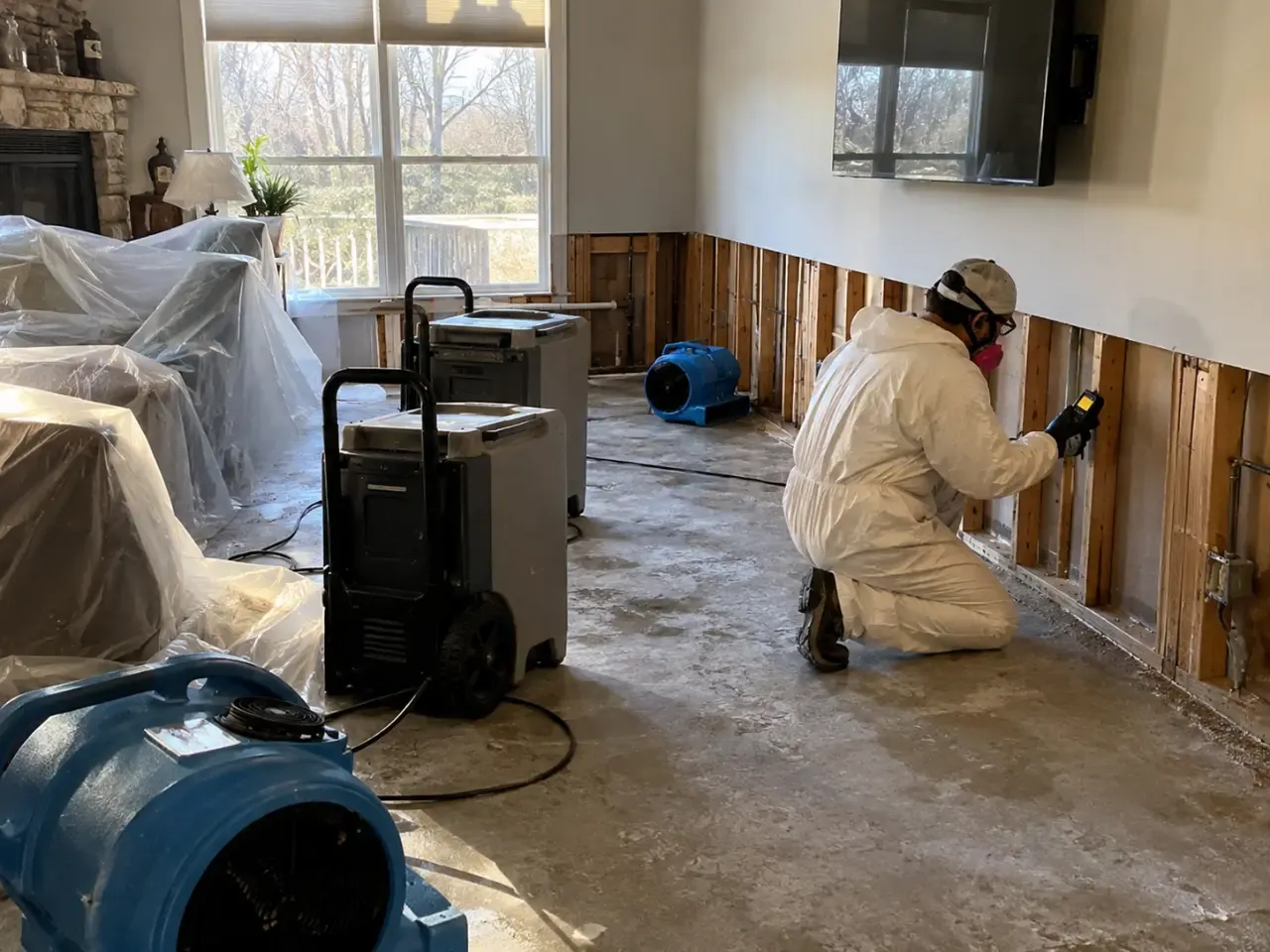
Residential Mold Remediation in Summerville is a home restoration service that contains mold-affected areas, removes unsalvageable porous materials, cleans remaining surfaces, and addresses the moisture source so growth is less likely to return. We inspect the affected room and nearby cavities, map moisture, and plan containment before disturbing materials. Depending on the damage, work may include removal of drywall, insulation, carpet, or ceiling tiles, followed by HEPA vacuuming and structural drying. The goal is a clean, dry, documented work area, not a cosmetic cover-up.
Summerville's humid climate, heavy rain, and seasonal storms can keep wall cavities and crawl spaces damp after plumbing leaks, roof and flashing leaks, or flooding. Our home mold removal Summerville SC service begins by tracing moisture rather than treating a stain alone. After a supply-line failure or roof leak, home mold removal after a water leak in Summerville often requires moisture checks beyond the visible patch, because water can travel along framing and settle behind baseboards before odors or discoloration appear.
Practical benefits
A Cleaner, Drier Home
Residential mold work should leave you with more than a wiped surface. We isolate the work zone, remove affected materials where needed, and verify drying with measured readings. You get a practical explanation of what was wet, what was removed, and what needs repair, so the next steps are clear rather than hidden behind a fresh coat of paint.
Moisture source addressed
Mold follows moisture, so we look for the leak, seepage, or humidity condition behind the visible growth. A pin-type and pinless moisture meter helps compare affected framing with a dry reference area. When the source is corrected and materials are dried, your home is less likely to develop the same patch again.
Work zone contained
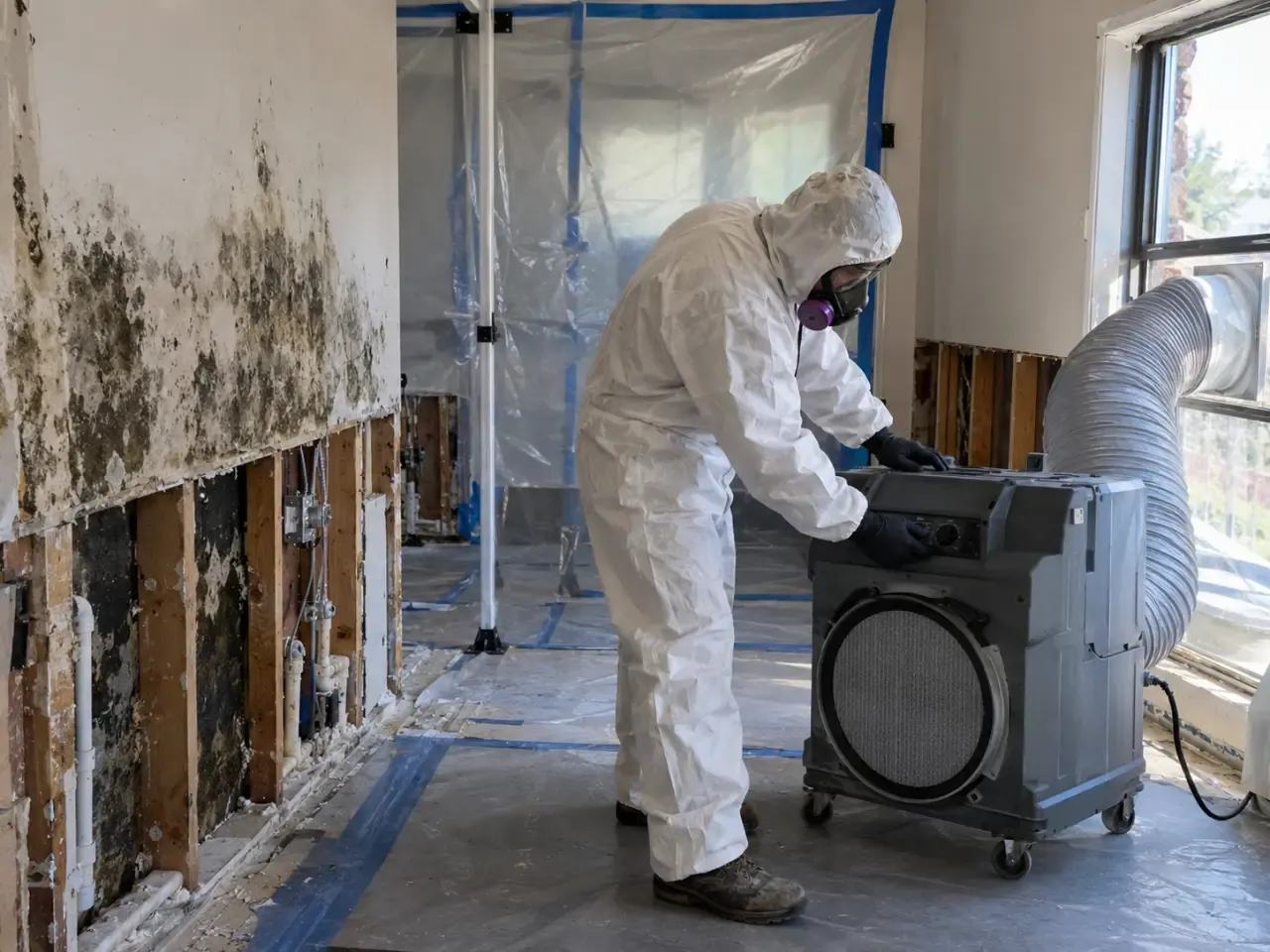
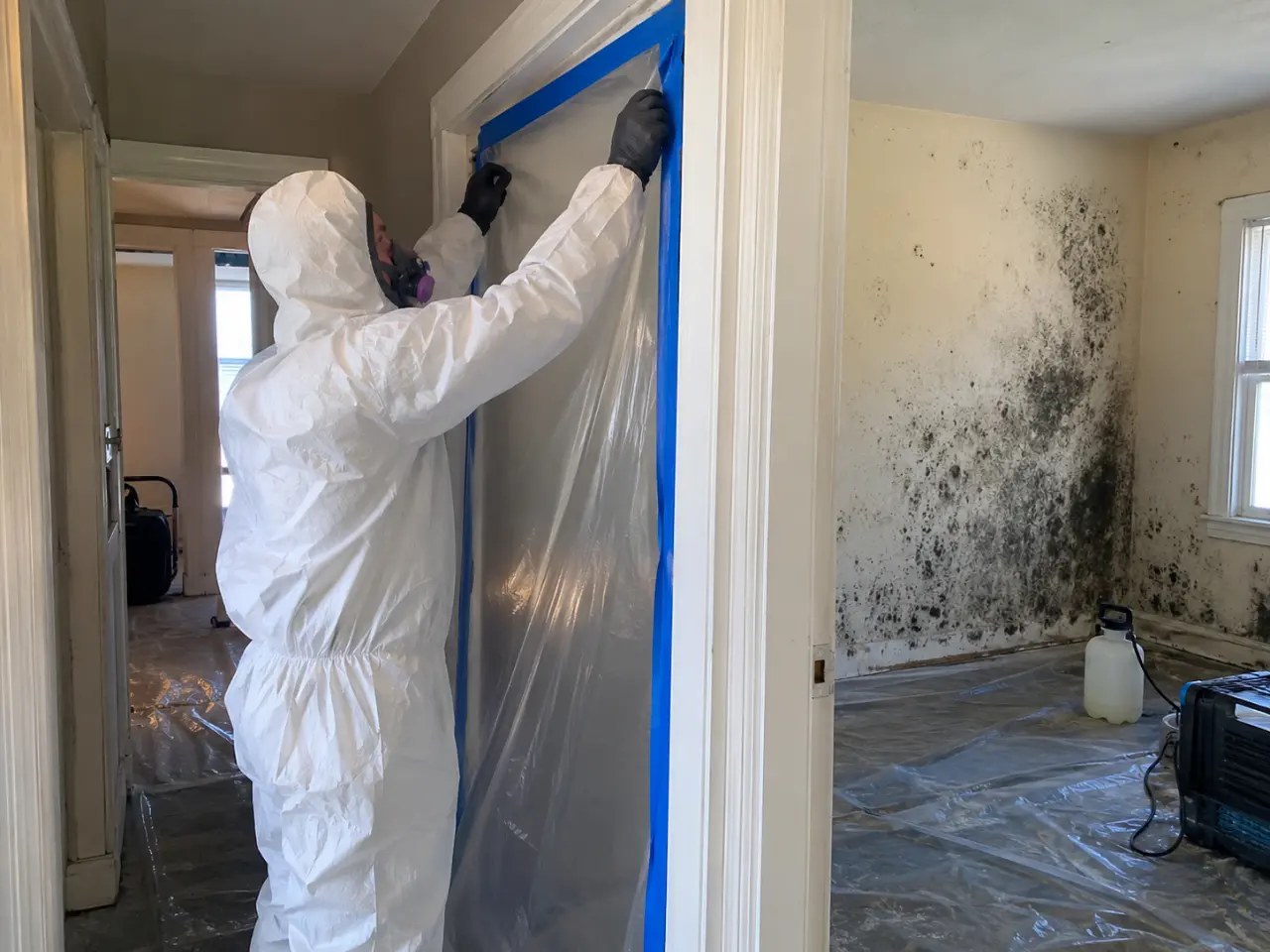
Containment sheeting and zipper doors separate the repair area from occupied rooms. A HEPA air scrubber helps capture airborne particles during removal and cleaning. This controlled setup is especially useful when a bedroom, nursery, or kitchen is close to the affected wall and you need the rest of the home kept orderly.
Damaged materials removed
Porous drywall, carpet padding, or fiberglass batt insulation that cannot be cleaned effectively is removed rather than covered. We cut back to sound, dry material and leave wood framing accessible for cleaning and drying. This gives repairs a stable base and avoids trapping damp material behind new finishes.
Clear repair handoff
After remediation, you receive a straightforward account of the treated area and remaining repair needs. If mold-resistant drywall or new insulation is needed, the repair plan can follow once moisture readings show the structure is dry. For a contained bathroom or closet, that sequence often avoids reopening completed work.
How service works
What To Expect During Service
Residential mold remediation in Summerville follows a controlled sequence: inspect, isolate, remove, clean, and verify. We explain what happens before tools enter your home, identify the materials involved, and keep the work area separated from everyday living space. A small, accessible area may take one to two days; larger or concealed damage takes longer because drying cannot be rushed.
STEP 01
Inspect and map
On the first visit, we ask when the leak or odor started, inspect visible staining, and check adjoining surfaces for moisture. A thermal imaging camera can help locate temperature patterns that warrant closer checking, while a moisture meter records readings in drywall and framing. We also use a borescope inspection camera when a small access point can reveal a wall cavity without unnecessary demolition.
Tools and methods
Tools and Remediation Methods
FLIR thermal imaging camera
We use thermal patterns to guide closer inspection around suspected moisture paths. The camera does not prove mold is present; it helps us decide where to take direct moisture readings.
Pin-type and pinless moisture meter
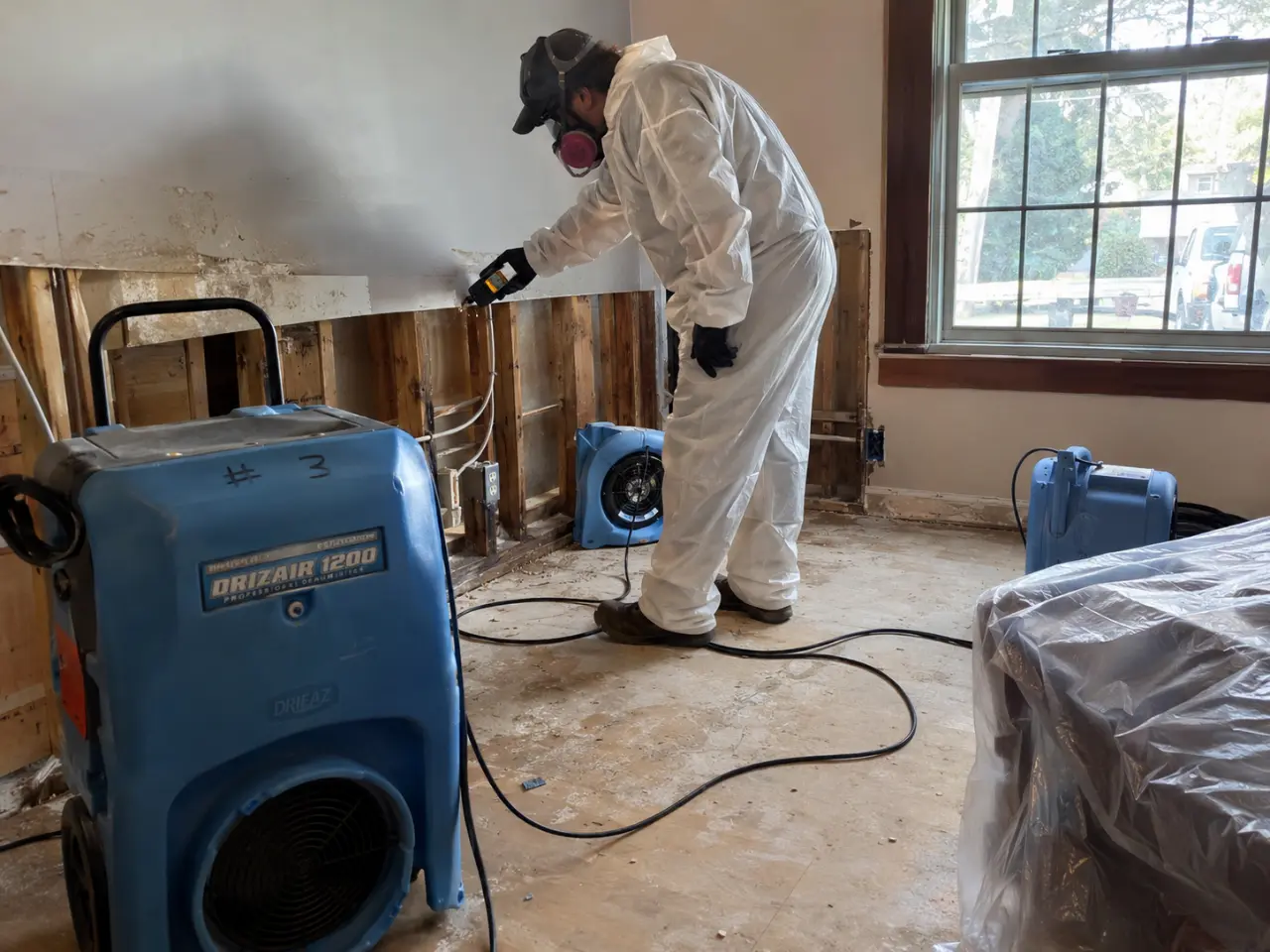
This meter compares moisture in building materials, helping us map the wet boundary and follow drying progress. Readings are checked against suitable dry reference areas rather than judged by touch.
HEPA air scrubber
A HEPA air scrubber filters airborne particles within a controlled work area during removal and cleaning. We place it according to the containment layout and keep it operating for the required work period.
Dri-Eaz commercial LGR dehumidifier
An LGR dehumidifier removes moisture from the air to support drying of affected building materials. We pair it with air movement when needed and recheck material readings before closing the cavity.
Milwaukee borescope inspection camera
A borescope can view a limited wall or ceiling cavity through a small access point. It helps assess concealed conditions while keeping exploratory openings focused on areas that need closer inspection.
ANSI/IICRC S520 work planning
We use the ANSI/IICRC S520 Mold Remediation Standard as a framework for evaluating the condition, selecting containment, removing affected materials, and cleaning salvageable surfaces. The job plan reflects the materials and occupancy, not a blanket treatment. We also follow applicable EPA Mold Remediation guidance for safe work practices.
Source-first moisture control
Remediation starts with identifying the water source or humidity condition that supports growth. We coordinate the work sequence around plumbing leaks, roof entry, or crawl space moisture, then verify affected materials are drying. A cosmetic coating is not a substitute for source correction and removal of unsalvageable material.
Contained removal and HEPA cleaning
We establish a controlled work zone before disturbing mold-affected materials, then remove and bag debris while limiting spread into clean rooms. Remaining surfaces are HEPA-vacuumed and cleaned using appropriate products. Air filtration supports the work but does not replace physical removal where materials cannot be restored.
Measured structural drying
Drying equipment is positioned to move air and lower humidity around wet framing and other salvageable materials. We track readings over time and compare them with dry reference points. The structure moves to repair only when the measurements support that decision, reducing the chance of trapping moisture behind new finishes.
Where this service fits
When Home Remediation Is Needed
A burst supply line wets a kitchen wall overnight and water reaches the cabinet toe-kick.
We check the wall, cabinet base, and adjoining flooring for moisture, then separate affected areas from the kitchen's active use. If drywall or insulation is unsalvageable, we remove it and dry the framing. A commercial LGR dehumidifier and air mover support drying when readings show moisture remains. You get a defined repair boundary and a drying record before cabinets or wall finishes are closed back in.
A roof and flashing leak leaves a ceiling stain after heavy rain near Cane Bay.
We inspect the ceiling and nearby cavities after the roof source is corrected, checking whether insulation or framing stayed wet. Containment protects the room during any ceiling removal. We clean salvageable surfaces and dry exposed structure before the ceiling is rebuilt. The repair addresses concealed wet material rather than simply painting over a stain that could return.
Condensation and high indoor humidity leave black spots around a bedroom window.
We assess the window area, surrounding wall, and indoor moisture conditions to distinguish surface condensation from a hidden leak. Where materials are damaged, we contain and clean or remove them based on condition. We also explain practical humidity-control steps tied to the room. You learn whether the issue is localized surface growth or a wider moisture problem requiring additional work.
A storm sends water into a ground-level room and leaves carpet padding damp.
We identify the water path, remove carpet and padding that cannot be restored, and inspect the subfloor and baseboards. HEPA cleaning and drying follow after debris is removed. If the event affected multiple rooms, we extend the moisture map rather than treating only the most visible section. Your home gets a controlled cleanup plan that accounts for wet flooring, wall edges, and the materials beneath the carpet.
Local execution
How Remediation Works in Summerville Homes
Summerville's warm, humid conditions and frequent heavy rain make moisture control a year-round concern, with fall storms and winter rain sometimes exposing roof or window weaknesses. In newer subdivisions and established neighborhoods alike, leaks can travel behind drywall before a ceiling mark appears. Our residential mold cleanup near me response starts by checking the visible area and nearby cavities, then matching containment and removal to the materials actually affected. Home construction varies from slab-on-grade rooms to homes with accessible crawl spaces, so inspection needs to account for the foundation and ventilation pattern. After storms, we check whether water entered through exterior openings or spread from an interior plumbing failure. For crawl space mold removal Summerville SC, we inspect framing and vapor barrier conditions rather than treating odor alone. We follow applicable state and local requirements, protect occupied areas, and document drying with readings. ZIP code 29485 includes many homes where a bathroom or laundry leak can affect adjoining closets; in 29486, larger floor plans can make moisture mapping across connected rooms especially important. Call with your neighborhood and the affected room so we can plan the right first visit.
Nexton
A plumbing leak in a laundry or bathroom can affect nearby closets and hallways. We check adjoining materials instead of limiting the moisture map to the first visible stain.
Cane Bay Plantation
After wind-driven rain, ceiling stains and damp insulation may follow roof or flashing leaks. We inspect the leak path and dry exposed framing before interior repairs.
Sangaree
Homes with accessible crawl spaces benefit from checking floor framing and moisture conditions when odors rise into living rooms. We look beyond the subfloor surface.
Wescott Plantation
Multi-room water paths can cross hallways or connect to a second-floor ceiling. We compare moisture readings across adjacent areas to establish a useful removal boundary.
High outdoor humidity slows drying after leaks and storm entry
When outdoor air is humid, opening windows may not help wet materials dry. We manage the work area with dehumidification and air movement, then repeat moisture checks. Equipment remains in place as readings require, not simply for a fixed number of hours.
Crawl space moisture can affect floor framing and indoor odors
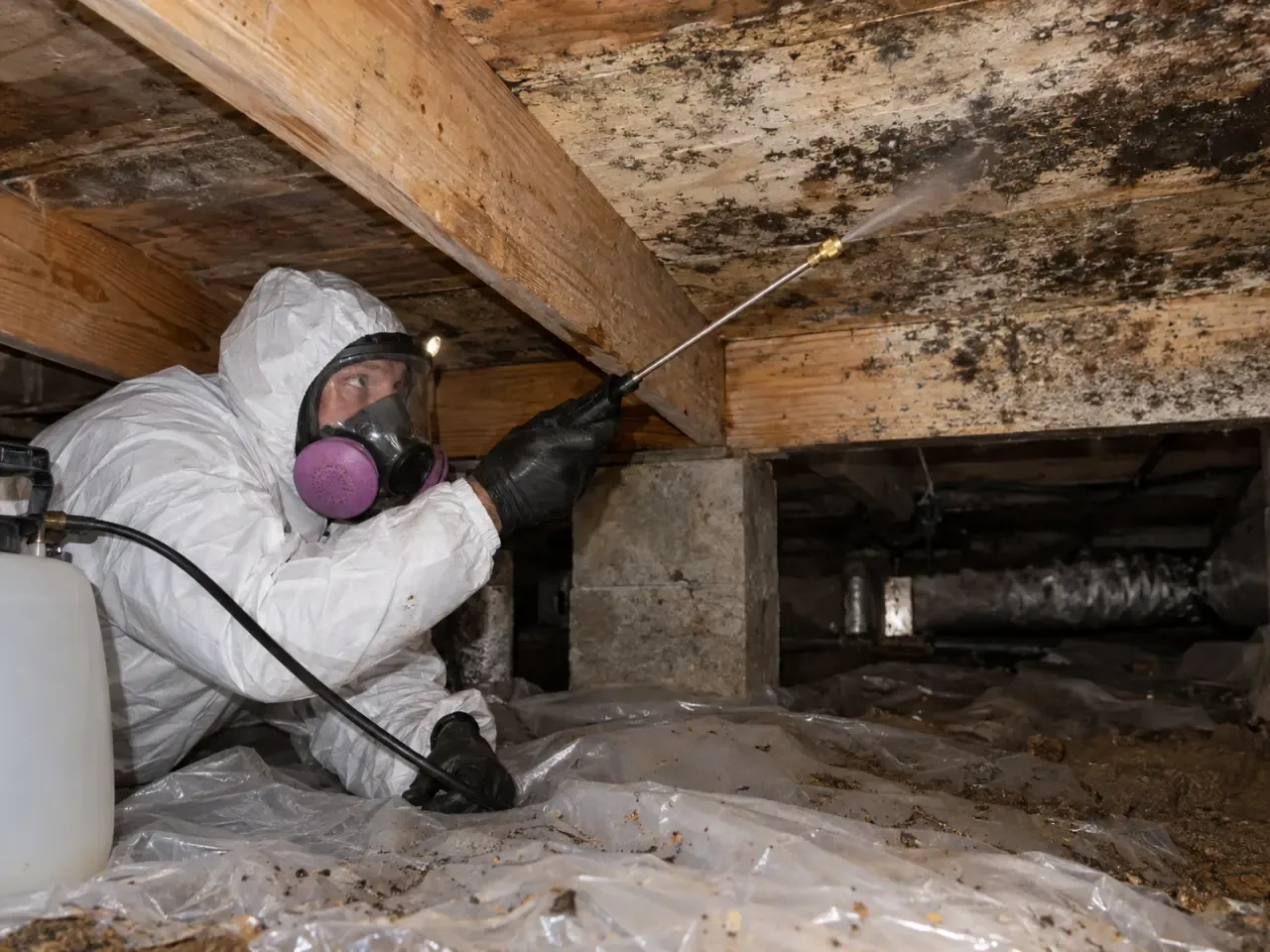
Damp soil or a damaged vapor barrier can keep the underside of framing wet. We inspect accessible areas, identify affected materials, and connect remediation with moisture-control repairs so cleaned framing is not exposed to the same condition.
Heavy rain can reveal roof, window, and flashing entry points
Water may travel away from the opening before it becomes visible indoors. We check adjacent ceilings and wall cavities, compare moisture readings, and coordinate remediation after the exterior source is repaired.
Problems we solve
Stop Common Mold Problems at Home
House mold treatment in Summerville, South Carolina, needs to address both the growth and the damp condition behind it. We help homeowners dealing with recurring spots, concealed leak damage, crawl space moisture, and odors that persist after a room has been cleaned. The practical goal is to remove affected material, reduce moisture, and prepare the area for sound repairs.
Mold returns on a bedroom wall after repeated surface cleaning
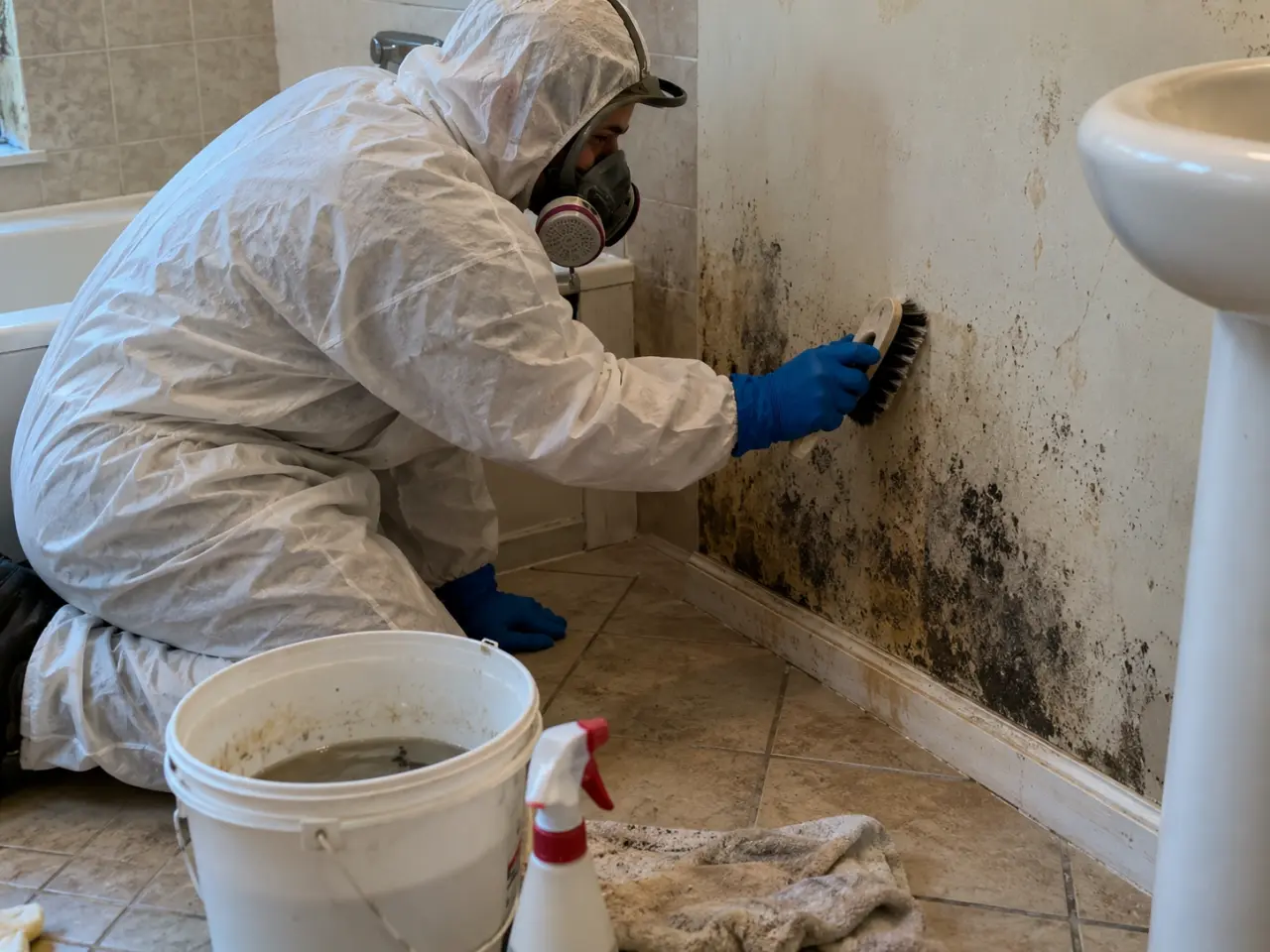
We check the wall and adjacent surfaces for moisture, trace likely entry points, and determine whether the drywall can be cleaned or needs removal. After containing the room, we clean exposed framing and dry the cavity before recommending replacement finishes. That sequence targets the condition rather than repeatedly treating the visible patch. Recurring growth often signals that moisture remains behind paint or drywall. Covering the stain can leave damaged material hidden and allow the odor or discoloration to return.
Musty odor continues after a roof leak was patched
We inspect the ceiling and nearby wall, measure moisture, and open only the areas needed to assess damaged materials. Wet insulation and unsalvageable drywall are removed, while framing is cleaned and dried. We coordinate the remediation sequence with the completed roof repair so new finishes do not cover damp material. Water may remain in insulation, ceiling material, or framing after the roof repair. A lingering odor can indicate that concealed materials have not dried or that the leak path extended beyond the stain.
Crawl space humidity leaves floor framing damp and odorous
We inspect accessible framing and the crawl space moisture condition, then identify affected materials and the extent of cleaning needed. Where appropriate, we address the crawl space vapor barrier as part of moisture control planning. Drying and repair decisions follow measured conditions, not a quick deodorizing treatment. Persistent dampness can affect wood framing and contribute to odors moving into occupied rooms. Ignoring it can make later repairs more involved, particularly when moisture is present across multiple bays.
Water-damaged drywall remains soft near a plumbing leak
We confirm that the plumbing source is repaired, map the damp area, and remove compromised drywall to sound edges. The cavity is inspected for wet insulation and cleaned framing, then dried with equipment as needed. Once readings show the structure is ready, the area can move to reconstruction. Soft drywall can conceal wet insulation and create a surface that cannot be restored by wiping. If the leak continues, damage may spread to trim, flooring, or adjacent framing.
A practical standard for every visit.
Clear planningPrepared arrivalsCareful workLocal follow-through
Experience in the details
Training Built Around Safe Work
Summerville Mold Shield has served local homeowners for 8 years, with work focused on locating moisture, controlling the work area, and removing affected materials without spreading debris through the house. Our technicians follow ANSI/IICRC S520 Mold Remediation Standard principles and use job-specific containment, cleaning, and drying methods. We explain when a visual inspection is enough to plan remediation and when additional assessment or testing would answer a separate question. That distinction helps you choose work based on the condition of your home, not a one-size-fits-all package.
- Our remediation approach follows ANSI/IICRC S520 guidance for containment, removal, cleaning, and post-work evaluation.
- Technicians use moisture readings to distinguish damp materials from dry comparison areas before deciding how far removal should extend.
- We plan occupied-home work around room access, pets, ventilation routes, and the location of bedrooms and living spaces.
- When water damage is involved, structural drying principles guide equipment placement and repeated moisture checks.
- We explain the difference between mold remediation, a building inspection, and laboratory mold testing before recommending additional services.
Where we work
One local team. A lot of ground covered.
NextonCane Bay PlantationSangareeWescott PlantationWhite GablesLegend Oaks PlantationLakes of SummervilleAshborough
Check my address Residential mold remediation in Summerville costs about $500 to $6,000 for many contained home projects, with larger losses costing more. Typical 2026 pricing depends on affected square footage, access, material removal, containment, and drying time. A small bathroom area is different from mold inside several wall cavities after a long-term leak. We inspect the conditions and explain the work and price before remediation begins.
Home mold removal may be covered when mold results from a covered, sudden water loss, but policy terms and limits control payment. Gradual leaks, maintenance issues, and flood exclusions are common reasons claims differ. Photograph the damage, keep records of the water event, and contact your insurer promptly. We can describe the remediation work and affected materials so you have details for your claim file.
A small, contained residential mold removal job often takes one to three days, while extensive removal and drying can take a week or longer. Demolition and cleaning may finish in a day, but damp framing can need 24 to 72 hours or more of controlled drying. We monitor moisture readings and do not close a wall simply because the surface feels dry.
You can often stay home during remediation when the affected area is contained and household access can be separated from the work zone. A single bathroom or utility-room project is easier to isolate than widespread growth near bedrooms or the HVAC system. We explain which rooms are restricted, how long barriers remain, and whether the work layout calls for additional precautions.
Keep exploring
More Help For Your Home
Your next step is waiting
Get Residential Mold Remediation Started
If a musty smell or water stain keeps returning, call Summerville Mold Shield at (843) 892-8834. We will discuss what you are seeing and arrange the next step for your home. Our team has served Summerville for 8 years.
Start with the basics
Contact Our Summerville Team
Call Summerville Mold Shield at (843) 892-8834 to discuss visible mold, a leak, or a damp crawl space. We take calls for urgent moisture problems and arrange service during our business hours, Monday through Friday, 8 a.m. to 6 p.m. Tell us what happened and which rooms are affected so we can help you plan the next step.