Commercial Mold Remediation
Commercial Mold Remediation in Summerville That Reopens Space
Commercial Mold Remediation in Summerville gives property owners, facility managers, and business tenants a direct plan for stopping mold growth and restoring affected work areas. We trace the moisture source, isolate the work zone, remove contaminated materials where needed, and dry the structure before repairs. If musty odors, visible growth, or water damage are disrupting your staff or customers, call Summerville Mold Shield at (843) 892-8834.
Service overview
Commercial Mold Remediation in Summerville: What It Covers
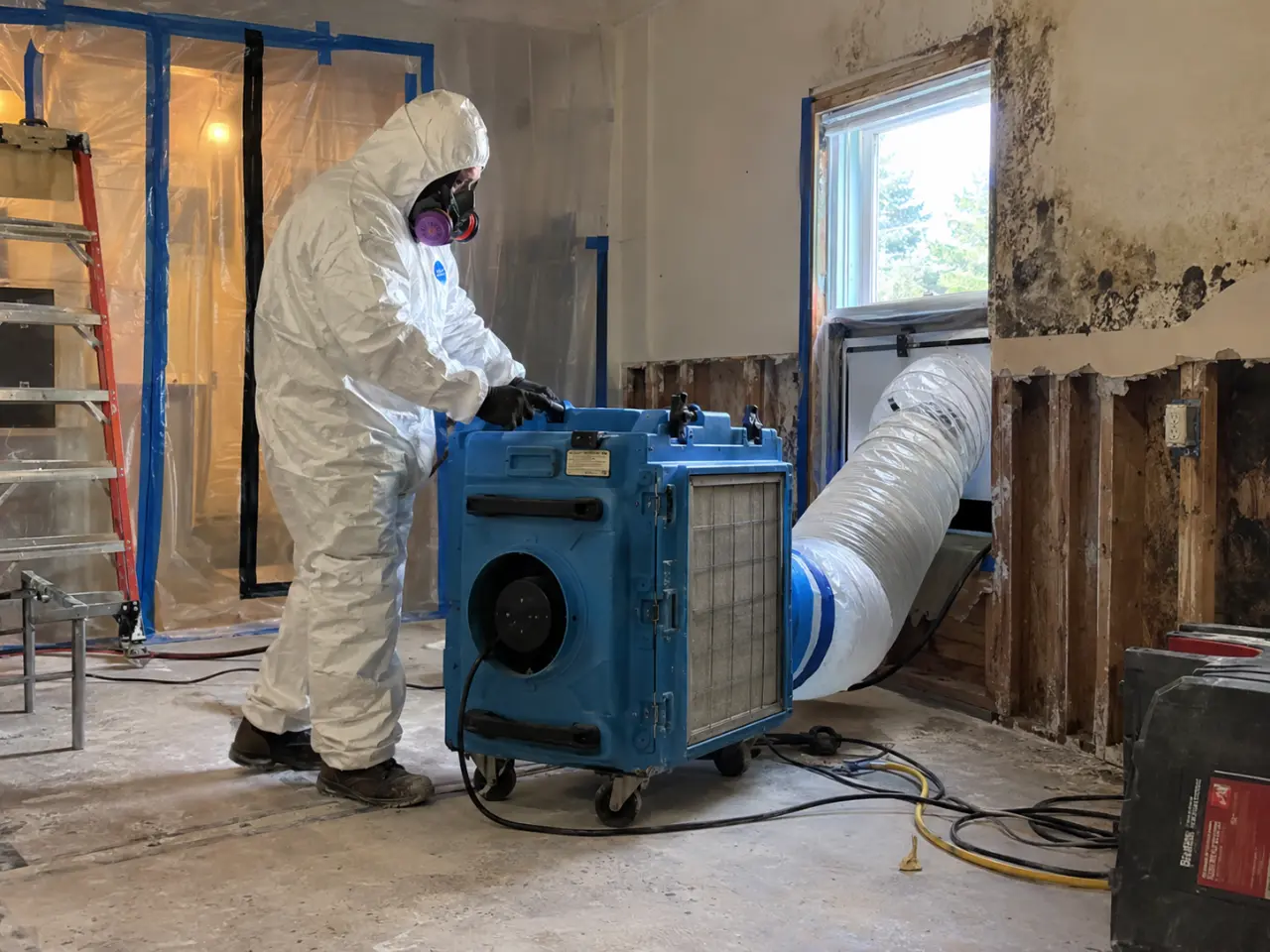
Commercial Mold Remediation in Summerville is a building-restoration service that contains and removes mold-affected materials, corrects moisture conditions, and dries commercial spaces so they can return to use. We start by mapping visible growth and moisture, then set containment to limit dust and spores moving into occupied areas. Depending on the building, work may involve ceiling tiles, drywall, carpet and padding, or cleaning wood framing. We document conditions, use HEPA filtration, and follow the ANSI/IICRC S520 Mold Remediation Standard as the work plan requires.
Summerville's warm, humid months, heavy rain, roof and flashing leaks, plumbing failures, and HVAC condensate create conditions where mold can spread behind finishes before it becomes obvious. Our commercial mold removal Summerville SC service is designed for offices, restaurants, retail spaces, warehouses, and rental properties, including cases involving rental property mold removal Summerville SC. We identify the moisture source instead of treating odor alone, so you can address the cause and choose repairs that fit the building.
Practical benefits
Practical Outcomes for Your Property
Commercial remediation should solve the building problem without creating unnecessary disruption. We define the affected area, plan access around your operation, and verify drying with measured readings rather than appearance alone. You get clear work boundaries, controlled debris handling, and a practical route back to normal use.
Limit Spread Between Areas
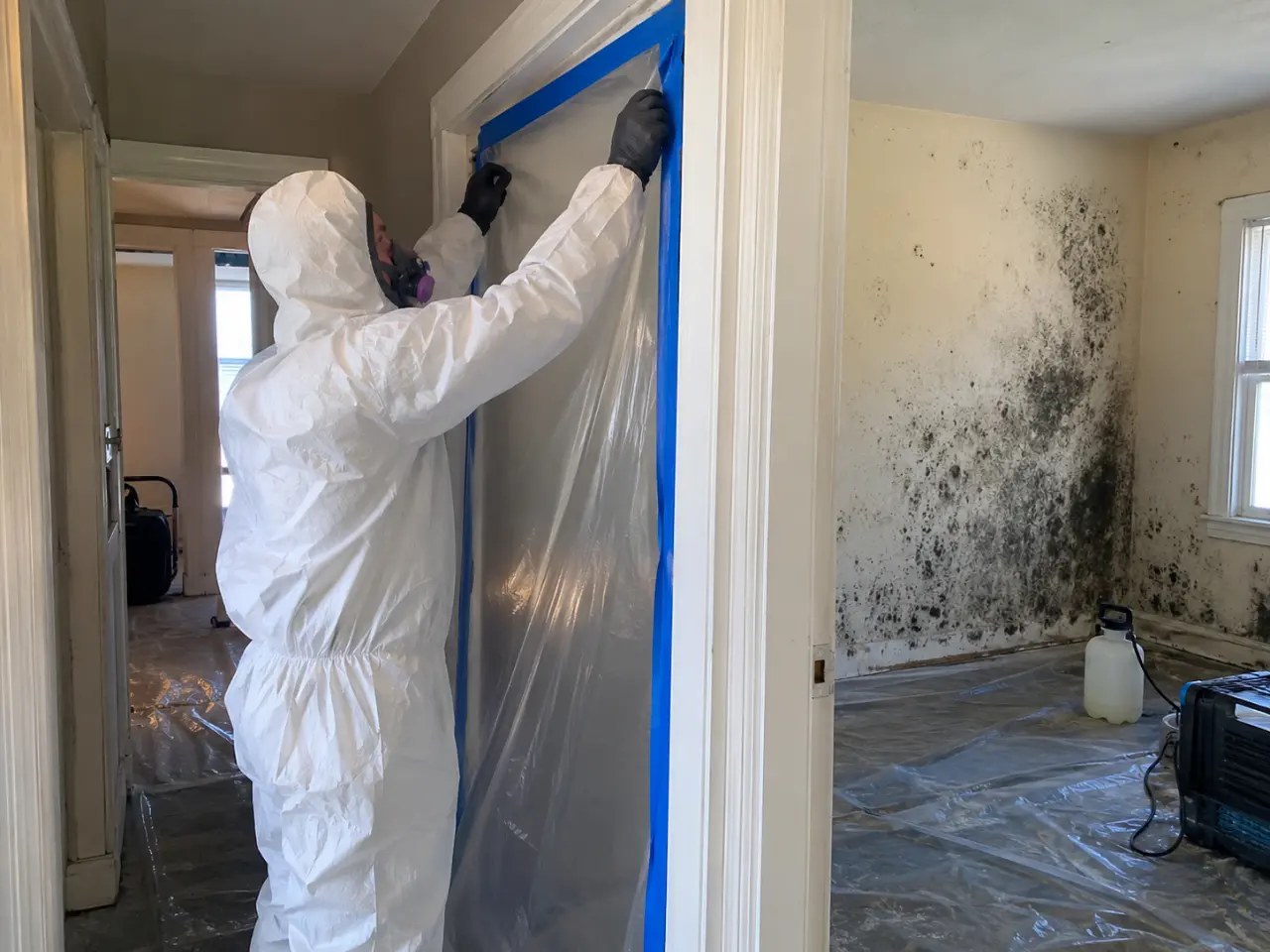
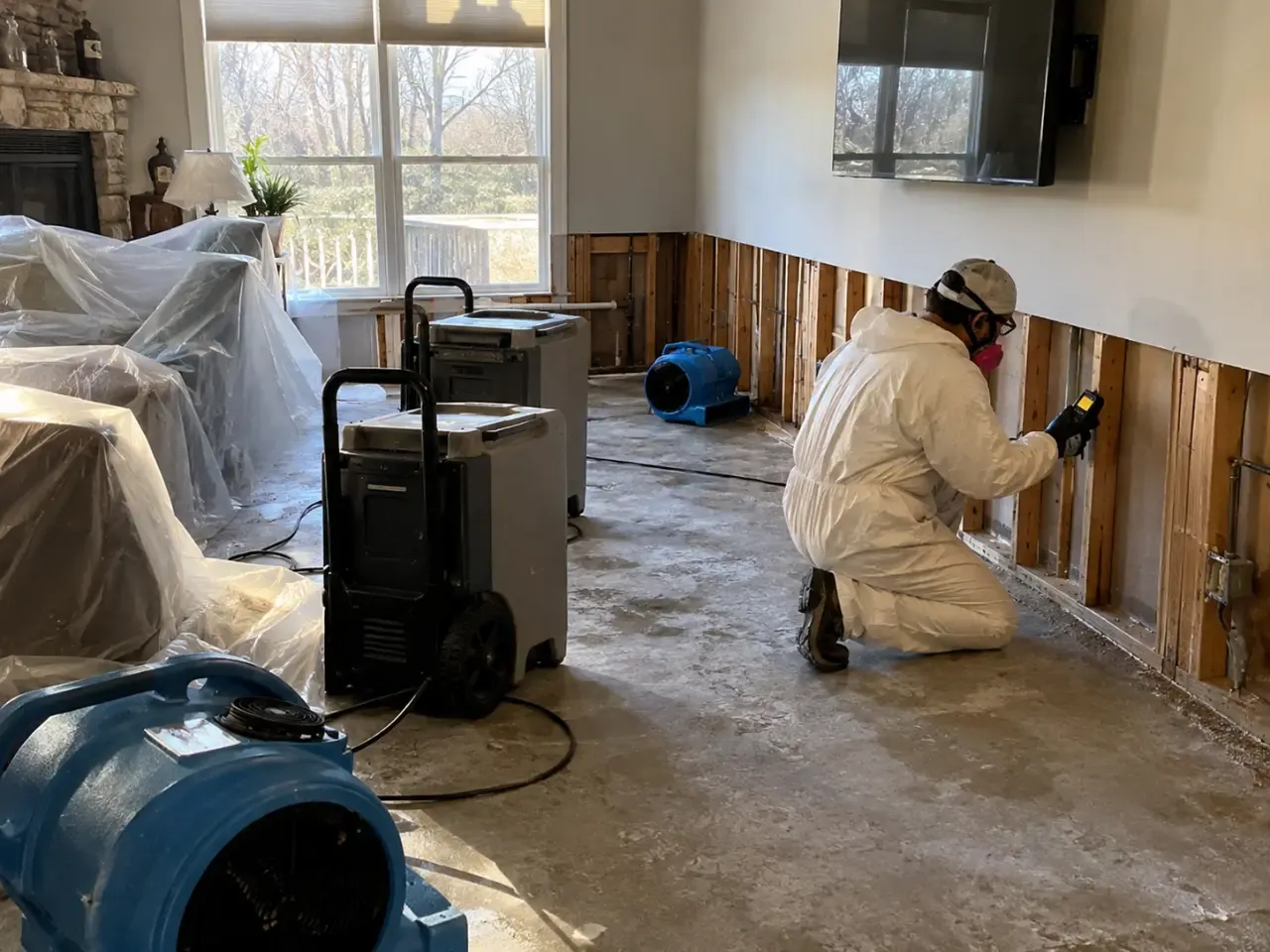
We separate affected work zones with containment sheeting and zipper doors, then use a negative air machine and HEPA air scrubber where the layout calls for them. That helps keep airborne dust from migrating into adjoining offices or customer areas while removal is underway. Your manager knows which rooms are restricted and which can remain open.
Find Moisture, Not Just Mold
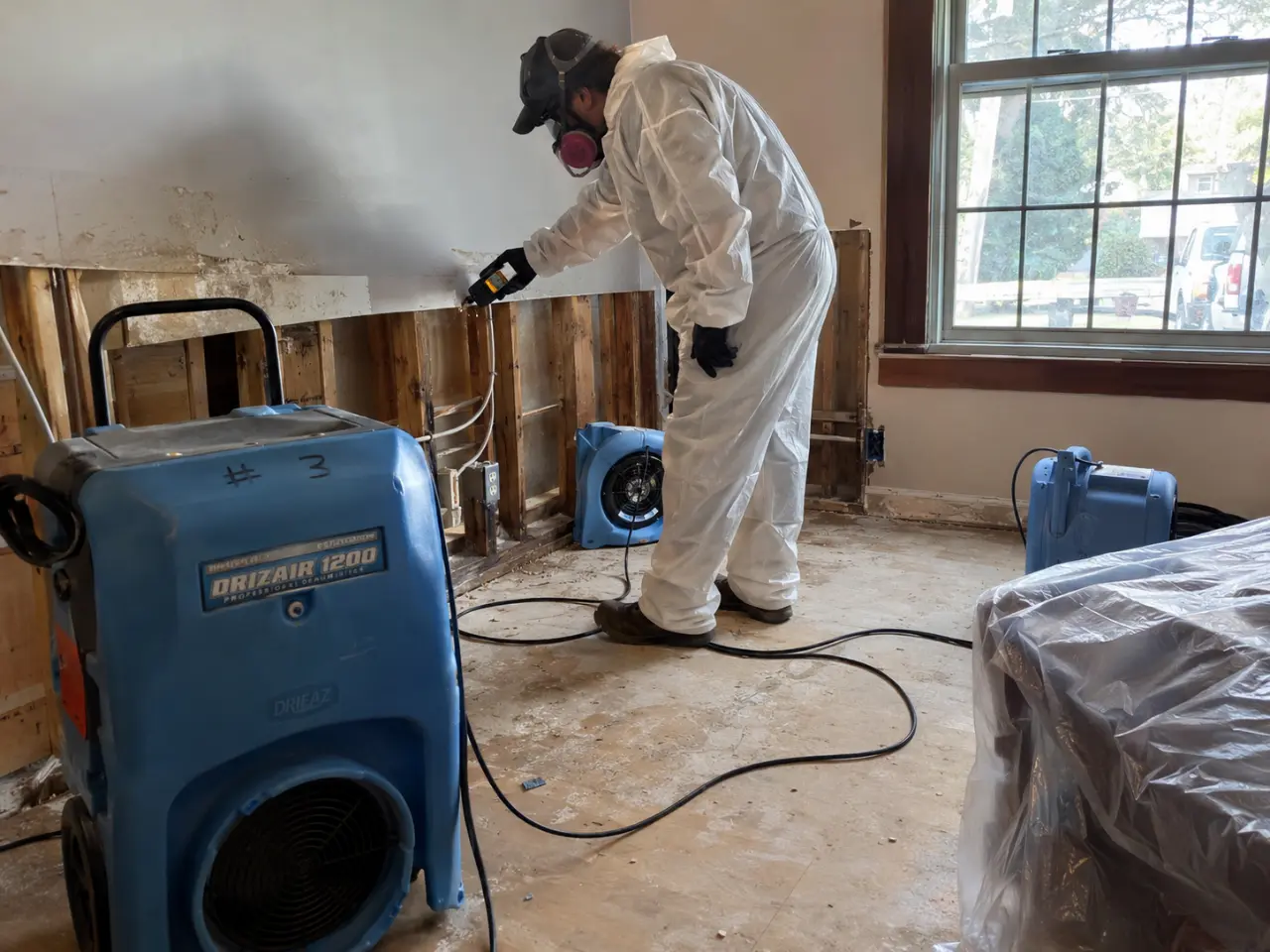
Visible growth is a symptom; the continuing water source is the reason it returns. We use a thermal imaging camera and moisture meter to investigate around plumbing leaks, roof penetrations, and HVAC equipment. Readings help us distinguish a damp wall cavity from a dry finish, guiding the repair boundary and reducing unnecessary material removal.
Plan Around Business Hours
We coordinate work zones, noisy removal, and access with your property contact so employees and customers are not routed through an active containment area. For a small office suite, a focused work area may be completed in one to three days; larger losses require staged work. You receive a sequence, not a surprise shutdown.
Return the Space to Service
After removal and drying, we check moisture readings and clean the work area with HEPA-filtered equipment. The goal is a dry, clean space ready for appropriate repairs, not a quick cover-up. If damaged drywall or insulation needs replacement, we explain the repair step and coordinate the transition from remediation to reconstruction.
How service works
What to Expect During Remediation
Commercial Mold Remediation in Summerville follows a measured sequence: assess the affected space, control the source, contain work, remove impacted material, and verify dry conditions. We coordinate with your designated contact before each stage. A limited area may take two to four working days; widespread or concealed damage takes longer because drying and access determine the finish date.
STEP 01
Assess and Map
On the first visit, we walk the affected rooms with you, document visible conditions, and check moisture around walls, ceilings, floors, and HVAC components. A pin-type and pinless moisture meter helps compare readings in materials without needless opening. We mark the likely work boundary, discuss access and occupancy, and identify whether a leak or condensate issue needs immediate attention.
Tools and methods
Equipment and Work Methods
FLIR thermal imaging camera
We use thermal patterns to help locate temperature differences that can point to hidden moisture around a leak. The camera guides inspection; moisture readings confirm whether materials are actually wet.
Pin-type and pinless moisture meter
These meters compare moisture in accessible materials and help track drying progress. Pinless readings scan surfaces quickly, while pin readings provide a more direct check in suitable wood or other materials.
HEPA air scrubber
A HEPA air scrubber filters air in or near containment during removal and cleanup. We position it to support controlled airflow and reduce the movement of airborne dust into adjoining commercial areas.
Commercial LGR dehumidifier
A commercial LGR dehumidifier removes water vapor from the work area as air movers circulate air across wet materials. We monitor conditions and adjust equipment as the structure dries.
Milwaukee borescope inspection camera
A borescope inspection camera can look into a suitable wall or ceiling cavity through a limited access opening. It helps us check concealed conditions before deciding whether broader removal is necessary.
ANSI/IICRC S520-based remediation
We use the ANSI/IICRC S520 Mold Remediation Standard as a framework for work planning, containment, removal, and cleaning. The actual scope follows the building conditions and affected materials. That keeps remediation focused on source correction and controlled removal rather than surface treatment alone.
Contained removal and HEPA cleanup
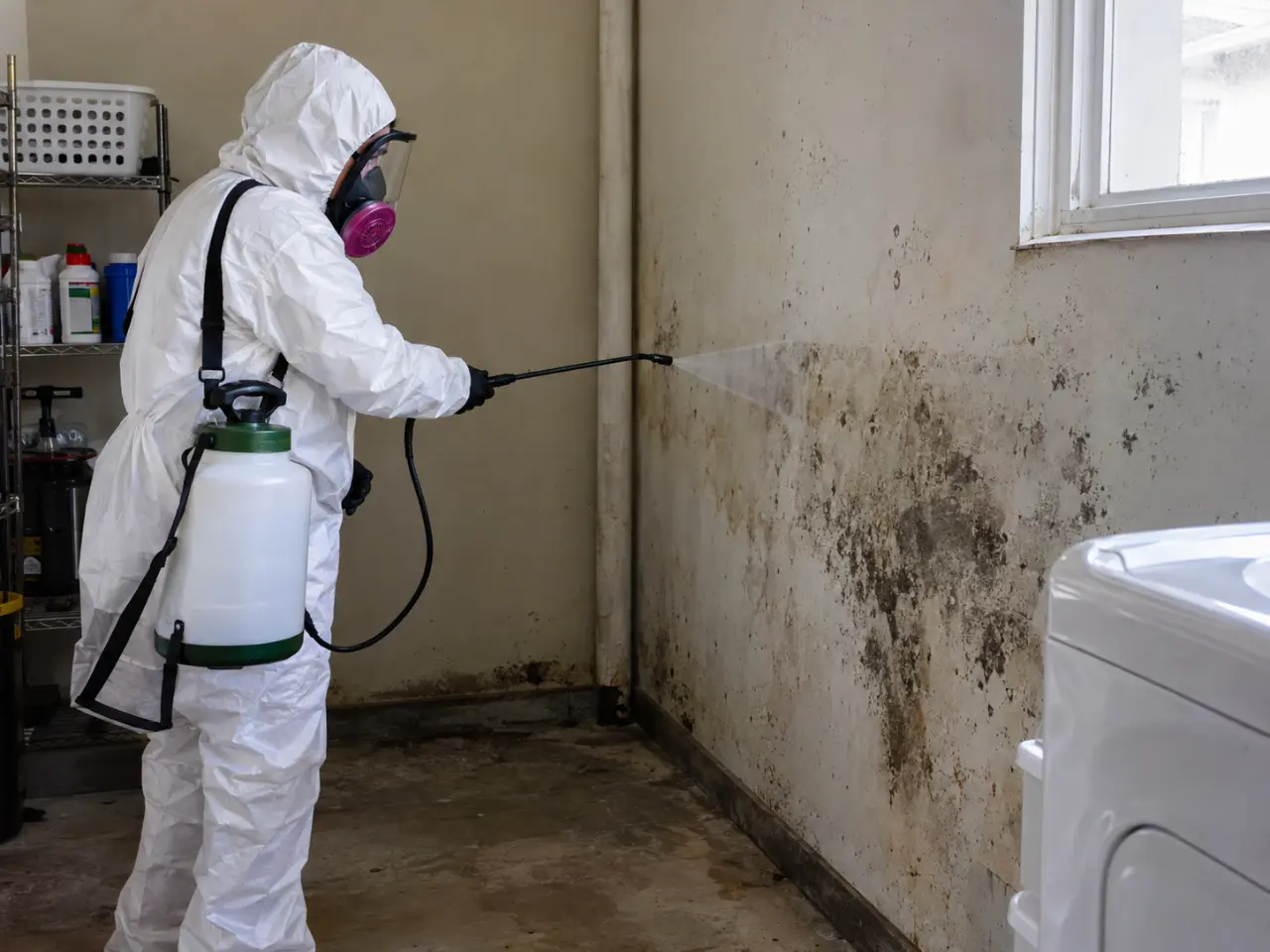
We isolate affected work areas with containment sheeting when conditions require it, remove impacted porous materials, and clean salvageable surfaces. HEPA vacuuming captures settled dust after removal. We keep employees and customers out of active containment until the work zone is cleaned and ready for the next stage.
Measured structural drying
After moisture correction, we use air movement and dehumidification to dry affected assemblies. Readings are checked over time and compared with unaffected materials, helping determine whether equipment can be removed. Drying duration depends on material thickness, air conditions, and how long the building remained wet.
EPA guidance and worker protection
We follow applicable EPA Mold Remediation guidance and OSHA worker safety standards while selecting controls for the task. PPE, debris handling, access restrictions, and air filtration are matched to the work conditions. Your site contact receives clear instructions about restricted areas and safe routes during active work.
Where this service fits
When to Call a Remediation Crew
A Summerville office develops a persistent musty odor after a weekend plumbing leak behind a shared wall.
We inspect both sides of the wall, check the plumbing path, and assess moisture in the cavity before opening finishes. If materials are affected, we set containment around the work area, remove damaged drywall and insulation, clean framing, and dry the assembly. We coordinate access so nearby departments can keep working where conditions allow. The leak-related materials are addressed at the source, the affected work zone is defined, and the wall is ready for repairs after drying is verified.
A restaurant manager sees ceiling staining and odor near an HVAC unit during a humid stretch.
We check the ceiling cavity, condensate path, and surrounding materials, then plan the work boundary to keep remediation separate from food preparation. Affected ceiling materials are removed under containment, while salvageable surfaces are cleaned and dried. We coordinate timing with the manager to reduce conflict with service hours. The damaged ceiling area is cleaned and dried before replacement, and the moisture condition is identified for correction rather than concealed above new tiles.
A retail unit near a busy Summerville corridor finds mold on baseboards after roof water entered during a storm.
We trace the water path from the roof edge through the wall and floor boundary, checking readings beyond the visible mark. We protect merchandise and customer routes, contain the affected section, and remove materials that cannot be cleaned. Drying equipment stays in place until follow-up readings support repair work. The store gets a controlled work area and a repair boundary based on measured conditions, helping protect unaffected displays and reduce repeat damage.
A warehouse discovers damp cartons and visible growth along an exterior wall after repeated rain.
We assess the wall, nearby stored materials, and moisture entry point, then organize access around inventory and forklift lanes. Containment and removal focus on affected building materials; impacted stock is kept separate for the owner's disposition. We dry the wall assembly and report any remaining repair needs. The affected section is isolated, wet materials are handled deliberately, and the warehouse can plan inventory movement and repairs with fewer unknowns.
Local execution
How Commercial Remediation Works in Summerville
Commercial Mold Remediation in Summerville has to account for humidity, intense rain, and buildings that may combine offices, retail, storage, and shared service spaces. Warm weather and high indoor humidity slow evaporation; roof and flashing leaks after storms, plumbing failures, and HVAC condensate can wet materials out of sight. We check the source and the full moisture path before deciding how much to open. For business mold removal in Summerville, South Carolina, containment must also fit how staff, customers, and deliveries use the building. A small office suite may allow one-room isolation, while a larger property needs staged zones and protected access lanes. We serve commercial properties throughout Dorchester County, including areas near Nexton and Cane Bay Plantation. Where a wall cavity or ceiling void is involved, our technicians use moisture readings and inspection access to establish the boundary. After removal, equipment stays until readings show drying progress, which can take two to five days for a limited loss and longer for dense or concealed assemblies. We coordinate the handoff to repairs so new finishes do not cover unresolved moisture.
Nexton
Commercial buildings near Nexton can include active offices and retail spaces with shared access routes. We plan containment and equipment placement to protect customer paths and neighboring suites.
Cane Bay Plantation
In and around Cane Bay Plantation, roof water entry and plumbing leaks can affect ceilings before growth is visible. We check beyond the stain and confirm affected materials with moisture readings.
Sangaree
Sangaree properties may include mixed-use and rental buildings where managers need clear access instructions. We define the restricted work zone and coordinate the sequence with occupants and maintenance contacts.
Wescott Plantation
For commercial spaces serving Wescott Plantation, HVAC condensate and humid indoor air deserve attention. We check equipment-adjacent materials and dry the affected assembly before finish repairs.
Warm, humid air slows drying in enclosed commercial rooms
High indoor humidity can extend drying time and leave moisture in wall or ceiling assemblies. We use dehumidification and repeated readings rather than relying on a single surface check before equipment comes out.
Storm-driven roof leaks wet concealed ceiling materials
Water may travel along framing away from the visible stain, leaving insulation or ceiling cavities damp. We trace the path and set a removal boundary that reflects the actual affected area.
HVAC condensate and coil moisture affect adjacent finishes
A blocked drain or persistent coil moisture can wet nearby walls and ceiling tiles repeatedly. We investigate the equipment area and include source correction in the next-step plan so cleaned surfaces are not exposed to ongoing water.
Problems we solve
Problems Commercial Remediation Resolves
A commercial mold problem can affect staff comfort, customer access, stored goods, and the condition of the building itself. We respond to the cause and the damaged materials together. For warehouse and retail mold cleanup Summerville, the work plan also accounts for stock, aisle access, and the need to separate active work from daily operations.
Musty odors persist after a ceiling leak appears repaired
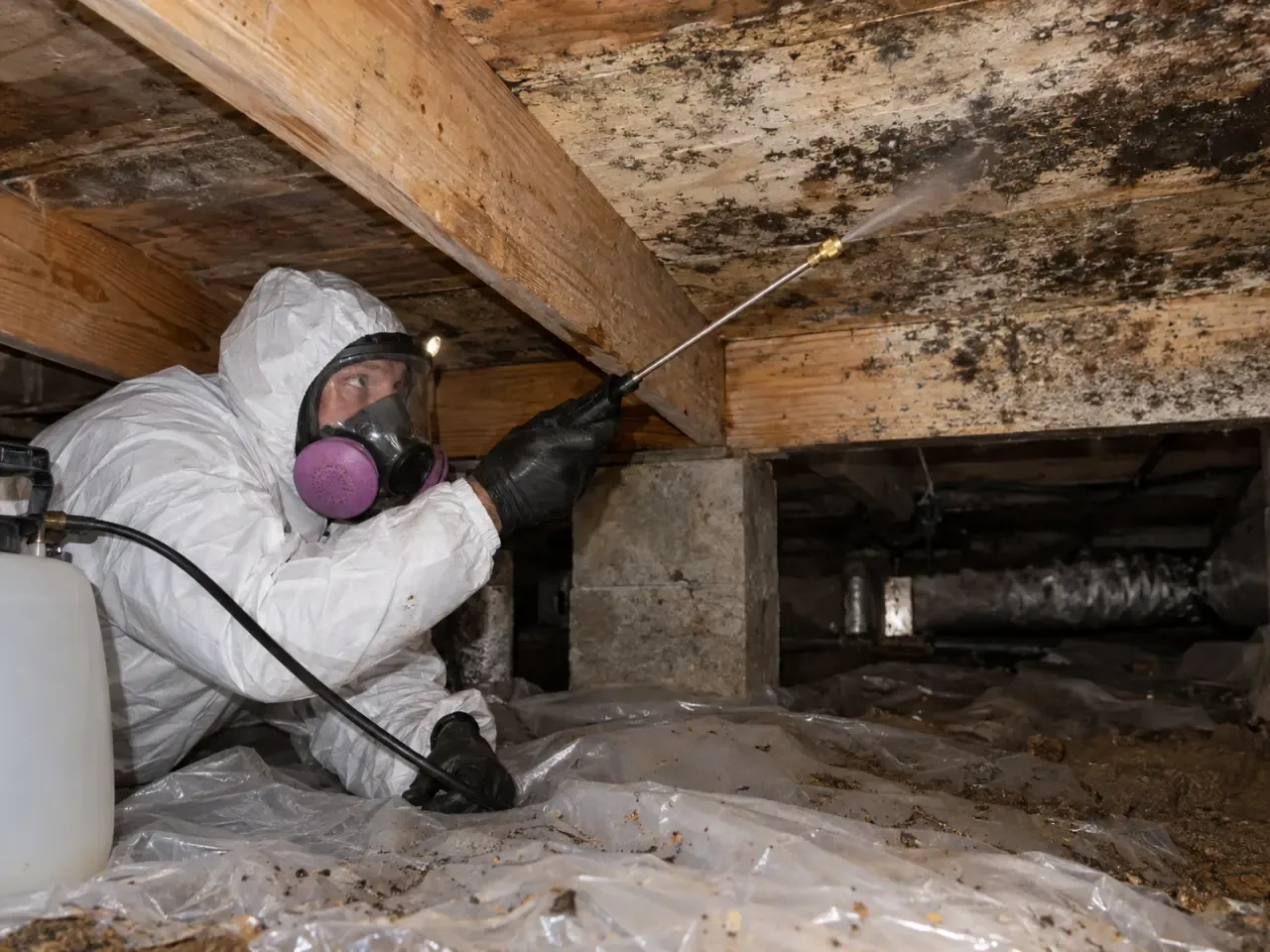
We inspect above the stained area, check moisture in nearby materials, and trace the leak path before setting a removal boundary. If affected porous materials remain wet or contaminated, we remove them under containment, clean salvageable surfaces, and dry the assembly. You get a cause-focused plan instead of an odor treatment that leaves the source behind. Moisture can remain above ceiling tiles or inside framing after the visible drip stops, allowing odors and growth to continue unnoticed.
Mold returns around an office wall after repeated cleaning
Our office mold remediation Summerville work checks the wall cavity, adjacent plumbing, and nearby HVAC conditions before choosing a treatment. We use moisture readings and, where access is suitable, a fiber optic wall cavity camera. Once the source is addressed, we remove affected material and clean the remaining assembly within a controlled work zone. Repeated surface wiping leaves hidden moisture or contaminated material in place, so the spot and odor can return and disrupt occupied rooms.
A plumbing or HVAC leak wets inventory and floor finishes
We separate affected stock and access paths, remove materials that cannot be salvaged, and dry the structure with commercial equipment. Your facility contact receives a clear account of what was wet, what was removed, and what needs repair. If equipment condensate caused the loss, we identify that condition for correction as part of the plan. Wet carpet, cartons, or wall materials can deteriorate quickly, while an uncontained cleanup can carry dust into other occupied sections.
Storm water enters a commercial building through roof details
After water entry is controlled, we map the affected ceiling and wall assemblies, establish containment, and remove unsalvageable materials. We dry and recheck the structure before repairs begin. The documented work boundary helps your manager distinguish the actual affected area from nearby dry finishes. Water can travel along framing and insulation well beyond the visible ceiling mark, producing concealed wet areas and delayed mold growth.
A practical standard for every visit.
Clear planningPrepared arrivalsCareful workLocal follow-through
Experience in the details
Commercial Remediation Experience
Summerville Mold Shield has served local property owners for 8 years, since 2018, handling moisture and mold conditions in occupied buildings and commercial spaces. Our work is grounded in recognized remediation practices, including IICRC WRT and IICRC AMRT training where applicable, and the ANSI/IICRC S520 Mold Remediation Standard. We plan for the realities of commercial sites: shared walls, staff schedules, customer access, and materials that behave differently during drying. You get a work plan based on the affected assembly, not a generic spray-and-leave treatment.
- We use moisture readings and documented work boundaries to guide removal, drying, and repair decisions in commercial spaces.
- Our technicians apply containment and HEPA filtration practices that reduce cross-contamination risk in occupied buildings.
- We account for ceiling cavities, HVAC pathways, shared corridors, and after-hours access when planning office remediation.
- We distinguish cleanable structural materials from porous materials that require removal, reducing avoidable demolition.
- We coordinate remediation with moisture-source correction so the repaired area is not left vulnerable to repeat wetting.
Where we work
One local team. A lot of ground covered.
NextonCane Bay PlantationSangareeWescott PlantationWhite GablesLegend Oaks PlantationLakes of SummervilleAshborough
Check my address Commercial mold remediation in Summerville SC often ranges from $1,500 to $15,000 for localized to moderate work, with extensive losses costing more. Typical 2026 pricing depends on affected square footage, material removal, containment complexity, access, and drying time. A small ceiling leak is different from mold behind several walls or across a large warehouse. We inspect the conditions and give you upfront pricing before work begins.
You do not always need to close; many businesses stay open by isolating the affected room or work zone. The decision depends on the size of containment, air pathways, the location of the mold, and how customers or staff move through the building. We can plan staged or after-hours work where practical, but areas inside active containment must remain restricted until cleanup and verification are complete.
Inspect commercial buildings at least once a year and after any leak, flood, roof failure, or persistent musty odor. In Summerville's humid conditions, checking HVAC drain pans, roof edges, plumbing rooms, and crawl spaces every three to six months adds useful early warning. After a major water event, inspect affected assemblies as soon as safely accessible rather than waiting for visible growth.
A qualified remediation contractor handles removal, while the property owner or manager coordinates access and repairs. We investigate the moisture source, set containment, remove affected materials, and dry the building; landlords arrange any separate plumbing or roof work when required. For rental property mold removal Summerville SC, prompt coordination with tenants matters because belongings, room access, and temporary occupancy plans affect the work sequence.
Keep exploring
Related Property Services
Your next step is waiting
Arrange Commercial Mold Remediation in Summerville
A leak, musty odor, or visible growth should not sit behind a closed door. Call Summerville Mold Shield at (843) 892-8834 to discuss the affected rooms and arrange a site assessment. We provide upfront pricing and a clear next step.
Start with the basics
Contact Our Summerville Team
Call Summerville Mold Shield at (843) 892-8834 to discuss visible mold, a leak, or a damp crawl space. We take calls for urgent moisture problems and arrange service during our business hours, Monday through Friday, 8 a.m. to 6 p.m. Tell us what happened and which rooms are affected so we can help you plan the next step.