HEPA Air Filtration
HEPA Air Filtration Summerville SC for Cleaner Air
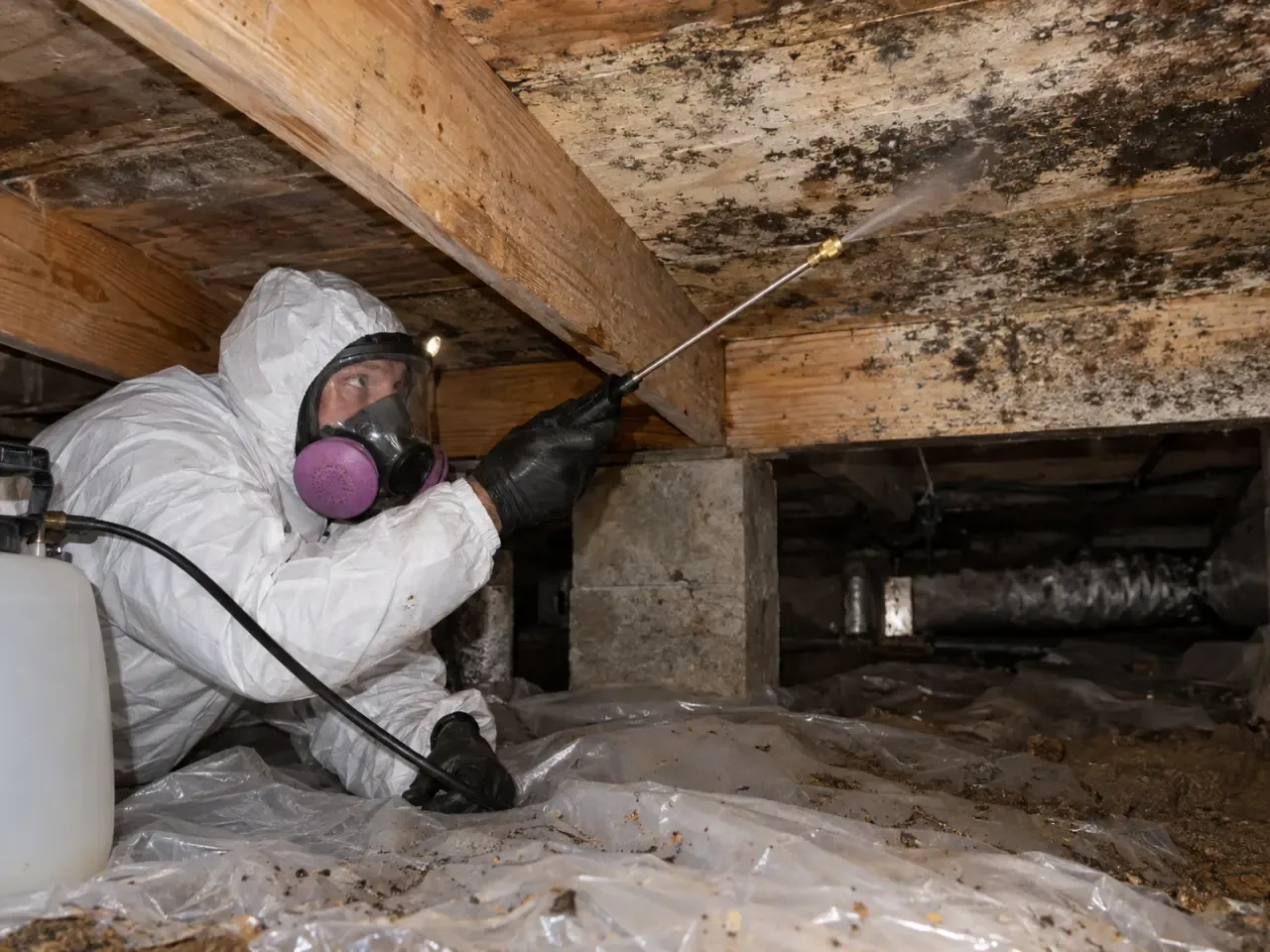
HEPA Air Filtration Summerville SC helps homeowners and property managers control airborne dust and mold spores during remediation, after water damage, or when musty odors linger. Our team selects and positions HEPA air scrubbers for the affected rooms, protects clean areas, and checks airflow before work begins. If your home has visible mold, a plumbing leak, or recent storm water intrusion, we connect filtration to the source-control plan rather than treating the air alone.
Service overview
HEPA Air Filtration Summerville SC Explained
HEPA Air Filtration Summerville SC is portable or installed air-cleaning equipment that captures airborne particles as air passes through a high-efficiency filter, especially during mold cleanup and restoration. We assess the work zone, choose a HEPA air scrubber with suitable airflow, and position it to pull air away from clean areas. When containment is needed, a negative air machine maintains inward airflow through the barrier. Filtration supports removal and source control; it does not repair a leak or replace removal of contaminated material.
Summerville homes face humid summers, storm-driven water entry, plumbing leaks, and moisture in crawl spaces, all of which can leave spores and fine debris airborne during cleanup. We use HEPA filtration systems in Summerville, South Carolina, alongside moisture checks and containment when the project calls for it. For customers comparing HEPA air filtration cost Summerville SC, the key variables are room volume, rental duration, equipment count, and whether containment or monitoring is required.
Practical benefits
Cleaner Air During Mold Work
HEPA filtration gives you a controlled way to capture airborne particles while damaged materials are handled. We match the setup to the room and the task, then keep the equipment running for the work period and cleanup. That means fewer uncontrolled dust pathways and a clearer finish check.
Capture Airborne Particles
A properly maintained HEPA air scrubber draws room air through HEPA filters and returns filtered air to the space. During removal, that helps capture fine debris stirred up from drywall, ceiling tiles, or carpet and padding. We check the filter condition and airflow before operation; a saturated or damaged filter cannot do its job.
Protect Adjacent Rooms
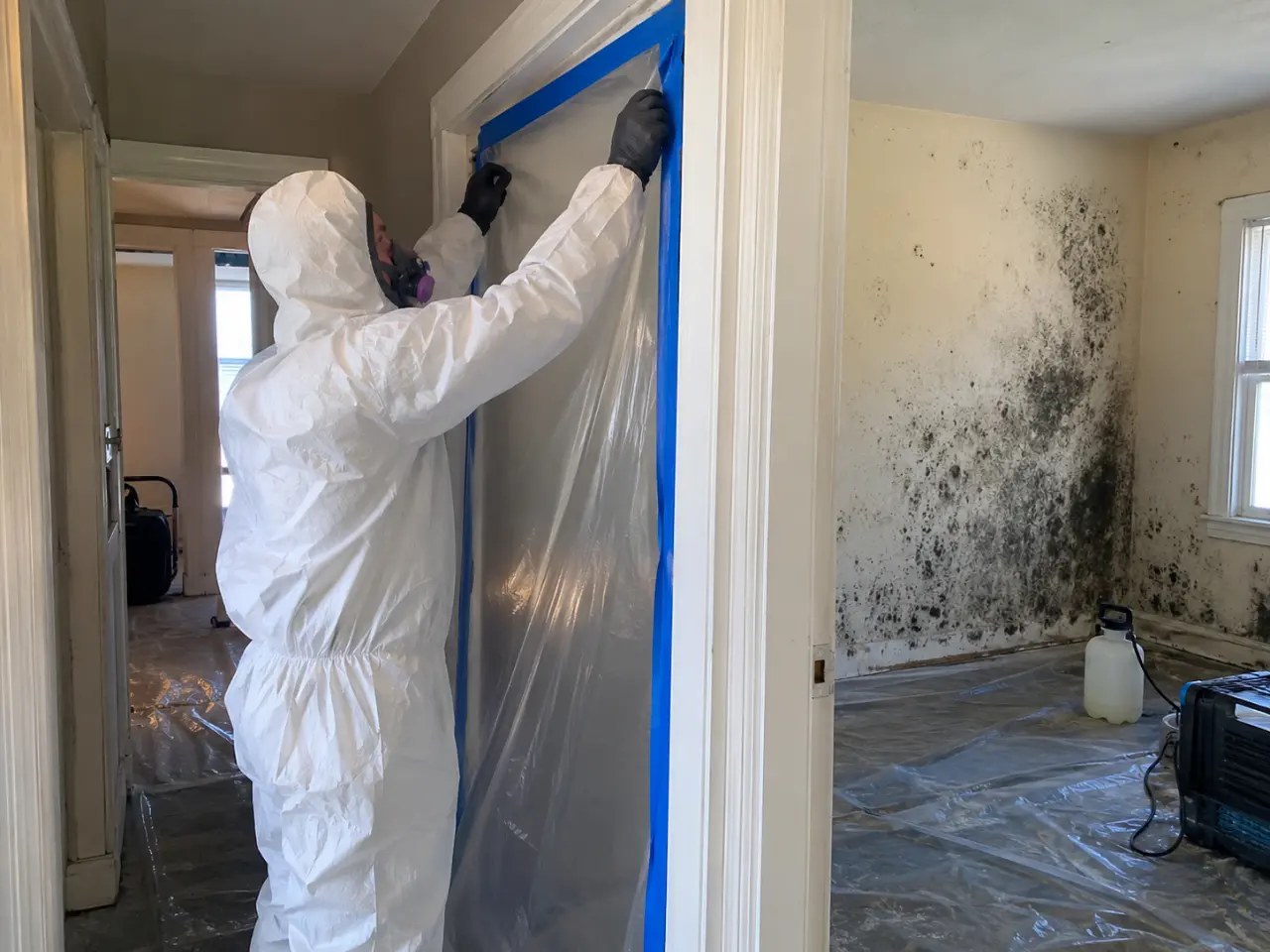
Containment sheeting and zipper doors separate the active work area from occupied rooms. When the layout supports it, a negative air machine keeps air moving into the contained zone instead of out toward a hallway. This is especially useful when you need to keep a bedroom, office, or retail area in service.
Support a Verified Cleanup
Filtration supports physical removal, HEPA vacuuming, and careful debris handling; it is not a substitute for those steps. We can compare particle and moisture conditions before and after the work, then document equipment runtime. If the source remains wet, we address that first rather than relying on an air purifier.
Flexible Equipment Options
A single-room project may call for one portable unit, while a larger contained job may need multiple machines and controlled exhaust. We can discuss air scrubber rental Summerville for a defined remediation period, with the setup matched to your room size and the work plan instead of an oversized, noisy unit.
How service works
What to Expect From Setup
HEPA Air Filtration in Summerville starts with the room, the contamination source, and the path air could take through your property. We explain the setup before placing equipment, keep access routes clear, and check operation during the job. Most small-room setups take about 1-2 hours; larger containment projects require more preparation.
STEP 01
Inspect the Area
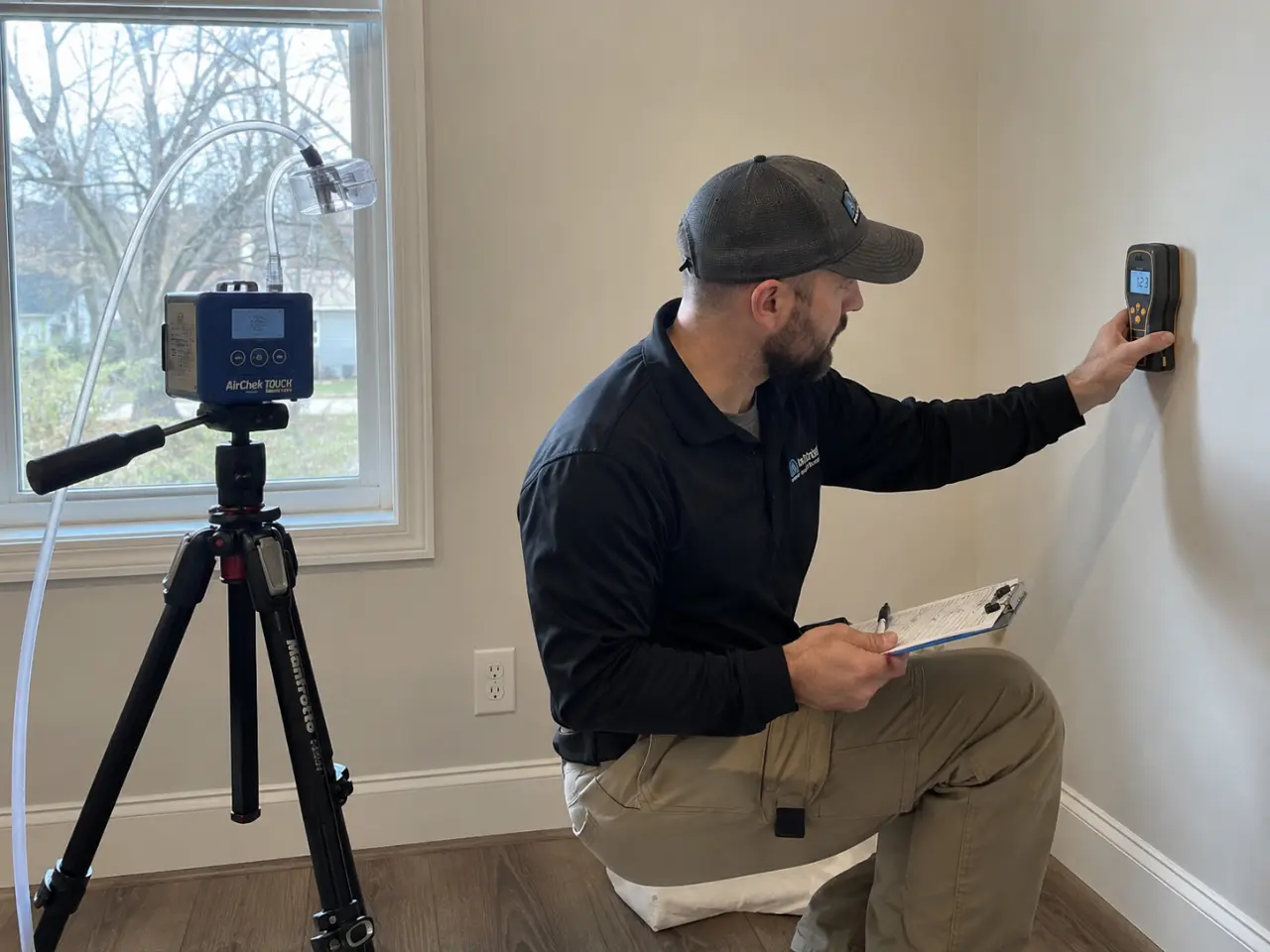
On the first visit, we identify the affected rooms, access points, and likely moisture source. A thermal imaging camera helps locate temperature patterns that warrant closer checking; a pin-type and pinless moisture meter measures suspect materials. This assessment usually takes 30-90 minutes, depending on the number of rooms and the visible damage.
Tools and methods
Tools and Work Methods
HEPA air scrubber
We use portable HEPA filtration to draw air from the active work zone through a high-efficiency filter. Placement and runtime are selected for the room, containment, and the amount of material being disturbed.
Negative air machine
When the containment design calls for pressure control, the machine helps maintain inward airflow at the barrier. We verify the arrangement and keep the exhaust path appropriate for the work area.
FLIR thermal imaging camera
A FLIR thermal imaging camera helps locate temperature patterns that may point to hidden moisture. We confirm suspected conditions with a moisture meter rather than treating an image as proof of water damage.
Pin-type and pinless moisture meter
We use pinless readings for non-invasive screening and pin-type readings where a direct material measurement is appropriate. The results guide drying and help identify whether filtration is being paired with unresolved dampness.
HEPA vacuum
After material removal, a HEPA vacuum captures fine debris from accessible surfaces and the work zone. It supports detailed cleaning alongside air scrubbing and controlled waste handling.
ANSI/IICRC S520 work practices
We use the ANSI/IICRC S520 Mold Remediation Standard as a reference for planning containment, removal, cleaning, and verification appropriate to the project. Filtration is selected as one control within that process. It does not replace source correction or removal of contaminated materials.
Containment and pressure control
We install barriers around the work zone when the task could disperse dust, then consider whether negative pressure is needed. The crew checks zipper doors and barrier edges during work. The configuration follows the room layout, exhaust route, and occupied areas rather than a fixed template.
Moisture-source correction
We pair air cleaning with investigation of leaks, humidity, and wet materials. A thermal image or surface reading is only a starting point; we confirm conditions and plan drying or removal. Controlling moisture reduces the chance that the same area will need repeated cleanup.
HEPA cleaning and closeout
Following removal, we HEPA-vacuum the work area and inspect accessible surfaces before equipment is shut down. We review the status of damp materials and the filtration period with you. If repairs, additional drying, or a separate assessment remains, we identify it plainly.
Where this service fits
When to Use HEPA Filtration
A Summerville bathroom has water-damaged drywall after a slow plumbing leak, and removal is scheduled.
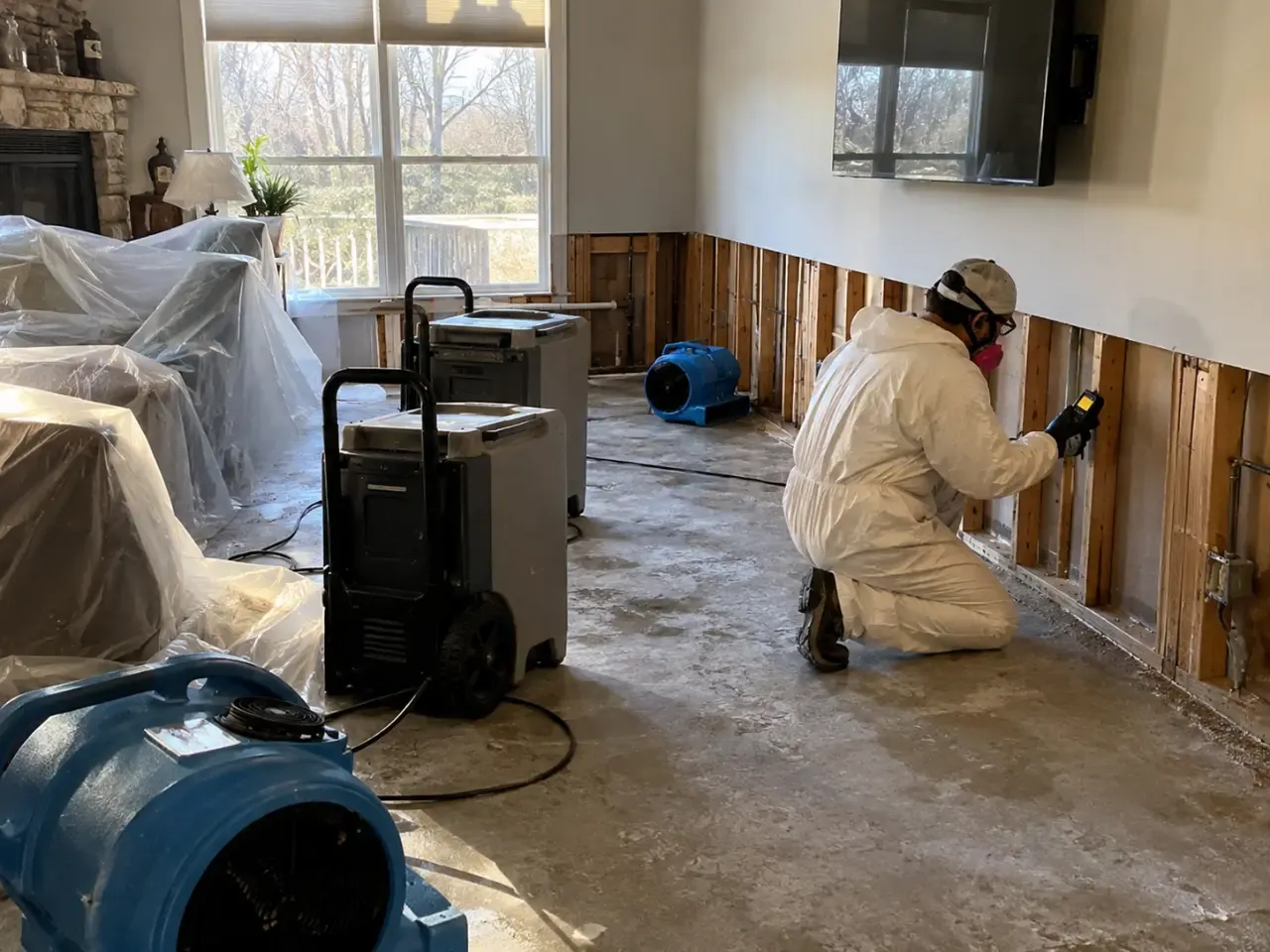
We inspect the affected wall, check moisture, and isolate the work zone before disturbing drywall or insulation. A HEPA air scrubber runs during removal and cleanup, with a negative air machine added if the containment plan requires pressure control. We also identify whether drying or a repair must follow. The removal is contained, nearby rooms are protected from avoidable dust, and the homeowner knows which materials need drying or replacement.
A roof and flashing leak has left ceiling tiles and insulation damp after a heavy rain.
We assess the ceiling area and the moisture source, then plan safe access and controlled removal. Filtration captures airborne debris as affected materials are handled. We coordinate drying after the roof entry point is corrected, because running a scrubber cannot compensate for continued water intrusion. The affected ceiling is cleaned in a controlled work area, and drying and repair steps are clear before new finishes go in.
A commercial tenant needs a mold cleanup performed beside an office that remains in use.
We map the shared wall, doorway, and traffic route, then establish containment and position filtration within the affected suite. Equipment operation and access restrictions are explained to the property contact. We coordinate work timing and cleanup checks so the active office stays separated from removal debris. The tenant can keep unaffected space operating while the contained area receives focused cleanup and filtration.
A home has a musty odor after storm flooding, even though standing water has been removed.
We check accessible materials and indoor humidity, looking for wet carpet and padding, baseboards, or concealed water damage. Filtration supports cleanup while dehumidification addresses damp air and materials. If a cavity remains wet, we locate the issue before closing walls or relying on an air purifier. You get a coordinated plan for airborne particles, residual moisture, and any damaged materials rather than a temporary odor treatment.
Local execution
How Filtration Works in Summerville
Summerville's warm, humid conditions make moisture control central to any air-filtration plan. After October's fall storms, roof leaks and water entry can leave ceiling materials or wall cavities damp; winter plumbing leaks and spring rain bring different access and drying concerns. In summer, high indoor humidity can slow drying if the source is not corrected. Our team checks the room and materials before choosing equipment, then coordinates HEPA air purifier installation Summerville SC only when a permanent system fits the need; a portable scrubber is often the right tool for a defined cleanup zone. In older and newer properties alike, open layouts, shared returns, crawl spaces, and finished ceilings affect how containment should be built. We use moisture readings and visual checks to decide whether the job needs drying, removal, or filtration together. For negative air machine setup for mold containment Summerville SC, we plan the pressure path and access so air is drawn toward the work area, not across occupied rooms. We follow applicable worker-safety practices and relevant remediation guidance, and we explain the limits of filtration before work starts.
Nexton
Open-plan layouts can connect kitchens, living rooms, and hallways; we map those air pathways before placing filtration or setting containment.
Cane Bay Plantation
After storm-driven water entry, we check affected drywall and flooring so a scrubber runs alongside drying rather than masking damp materials.
Sangaree
For localized bathroom or laundry leaks, we can isolate the room and keep filtration focused on the removal area.
Wescott Plantation
When a work zone sits beside occupied rooms, equipment placement and a sealed access route help limit dust migration during cleanup.
High humidity slows drying after leaks and storm water entry
A running scrubber captures airborne debris but does not dry framing or drywall. We check moisture and coordinate dehumidification when materials remain damp, then keep filtration tied to the active removal and cleaning period.
Crawl space moisture contributes to recurring musty indoor air
Filtration may help during cleanup, but recurring odors can point to a moisture condition below the living space. We investigate the affected area and explain whether crawl space moisture control belongs in the repair plan.
Open layouts connect work areas to occupied rooms
Air can move through doorways and shared spaces even when the visible damage is limited. We plan barrier placement and machine direction around those connections, then check access points while the work is underway.
Problems we solve
Air Problems HEPA Filtration Addresses
A HEPA scrubber is useful when work or water damage puts fine particles into the air, but it is not a cure for damp building materials. Our team identifies the source, selects filtration for the room, and controls the work zone. That distinction matters in Summerville, where high humidity can keep a hidden moisture problem active.
Mold cleanup dust drifting into an occupied bedroom
We separate the work area with containment, position a HEPA air scrubber to capture airborne debris, and HEPA-vacuum surfaces after removal. We also check doorways and barrier edges during the job. The goal is to keep the cleanup controlled, not to claim that filtration alone removes attached growth. Uncontrolled debris can settle on bedding, furniture, and nearby surfaces, creating extra cleaning and disruption after the removal crew has left.
Musty air lingering after a plumbing leak repair
We check suspect materials with a moisture meter, inspect accessible cavities where appropriate, and coordinate drying with filtration. If damp material needs removal, we contain the work zone first. You get a sequence that addresses both airborne debris and the underlying wet assembly. A repaired pipe does not prove nearby drywall, insulation, or framing is dry; continued moisture can sustain odor and further damage.
Renovation or removal work disturbing settled particles
We plan the air path before work begins, protect routes through the home, and use filtration matched to the task. If the room connects to occupied areas, we add barriers and maintain controlled access. Afterward, we clean surfaces and review whether additional drying or repairs are required. Cutting or pulling damaged materials can send dust beyond the room, particularly through open doorways and shared HVAC returns.
Crawl space moisture contributing to indoor odors
We investigate the affected areas and distinguish a temporary airborne issue from ongoing crawl space moisture. Filtration can support a cleanup, while a crawl space vapor barrier or other moisture correction may be needed to address the source. We explain how the two workstreams connect. Humidity beneath a home can affect indoor comfort and keep musty odors recurring even after a room has been cleaned and filtered.
A practical standard for every visit.
Clear planningPrepared arrivalsCareful workLocal follow-through
Experience in the details
Practical Filtration Experience
Summerville Mold Shield was founded in 2018 and has 8 years of experience serving local properties as of 2026. Our technicians connect air filtration to the conditions that created the problem: moisture, damaged materials, and the route airborne debris could travel. We work in line with the ANSI/IICRC S520 Mold Remediation Standard and EPA Mold Remediation guidance where applicable, using the project conditions to determine containment and cleanup. You get a practical explanation of what the equipment will do, where it will operate, and what must happen before the area is cleared for normal use.
- We plan airflow around occupied rooms, work-zone access, and the material being removed rather than placing equipment by guesswork.
- Our moisture checks help distinguish a dry surface from a continuing leak that could undo filtration and cleanup.
- We coordinate HEPA filtration with source removal, debris control, and structural drying instead of selling air treatment as a stand-alone cure.
- We explain filter changes, machine placement, expected noise, and room access before the equipment starts.
- Our work considers worker safety, containment integrity, and safe handling of potentially contaminated debris throughout the job.
Where we work
One local team. A lot of ground covered.
NextonCane Bay PlantationSangareeWescott PlantationWhite GablesLegend Oaks PlantationLakes of SummervilleAshborough
Check my address Yes, a correctly fitted and maintained HEPA filter captures airborne mold spores that pass through the unit. It does not remove growth attached to walls, fix moisture, or guarantee that every spore is gone. We pair filtration with physical cleanup and source control. For a mold concern, the best air purifier for mold in Summerville homes is the one sized for the room and used as part of a complete plan.
In 2026, a small-room setup often costs $150-$450 per day, while multi-room or contained projects can run $500-$1,500 or more. The final price depends on machine count, rental duration, containment, access, and whether monitoring or cleanup is included. We give upfront pricing before work begins. A rental-only setup costs less than a managed remediation project with removal and drying.
Run a HEPA air scrubber through removal and cleaning, then commonly for another 24-48 hours while the area is checked. The right duration depends on room size, debris levels, containment, and moisture readings. We do not stop the machine solely because a timer expires. If materials remain damp or additional removal is needed, filtration and drying continue as the work plan requires.
No, a whole-home purifier is not automatically necessary; a contained portable scrubber often suits a localized mold project. We first identify the source and affected materials, then decide whether the HVAC system or multiple rooms are involved. Whole home HEPA filter installation in Summerville, South Carolina, is a separate decision from temporary remediation filtration and should match a documented indoor-air need.
Keep exploring
Services That Work With Filtration
Your next step is waiting
Arrange HEPA Air Filtration in Summerville
If water damage, visible mold, or dusty removal work has affected your indoor air, call Summerville Mold Shield at (843) 892-8834. We will discuss the area, filtration setup, and next steps with upfront pricing.
Start with the basics
Contact Our Summerville Team
Call Summerville Mold Shield at (843) 892-8834 to discuss visible mold, a leak, or a damp crawl space. We take calls for urgent moisture problems and arrange service during our business hours, Monday through Friday, 8 a.m. to 6 p.m. Tell us what happened and which rooms are affected so we can help you plan the next step.