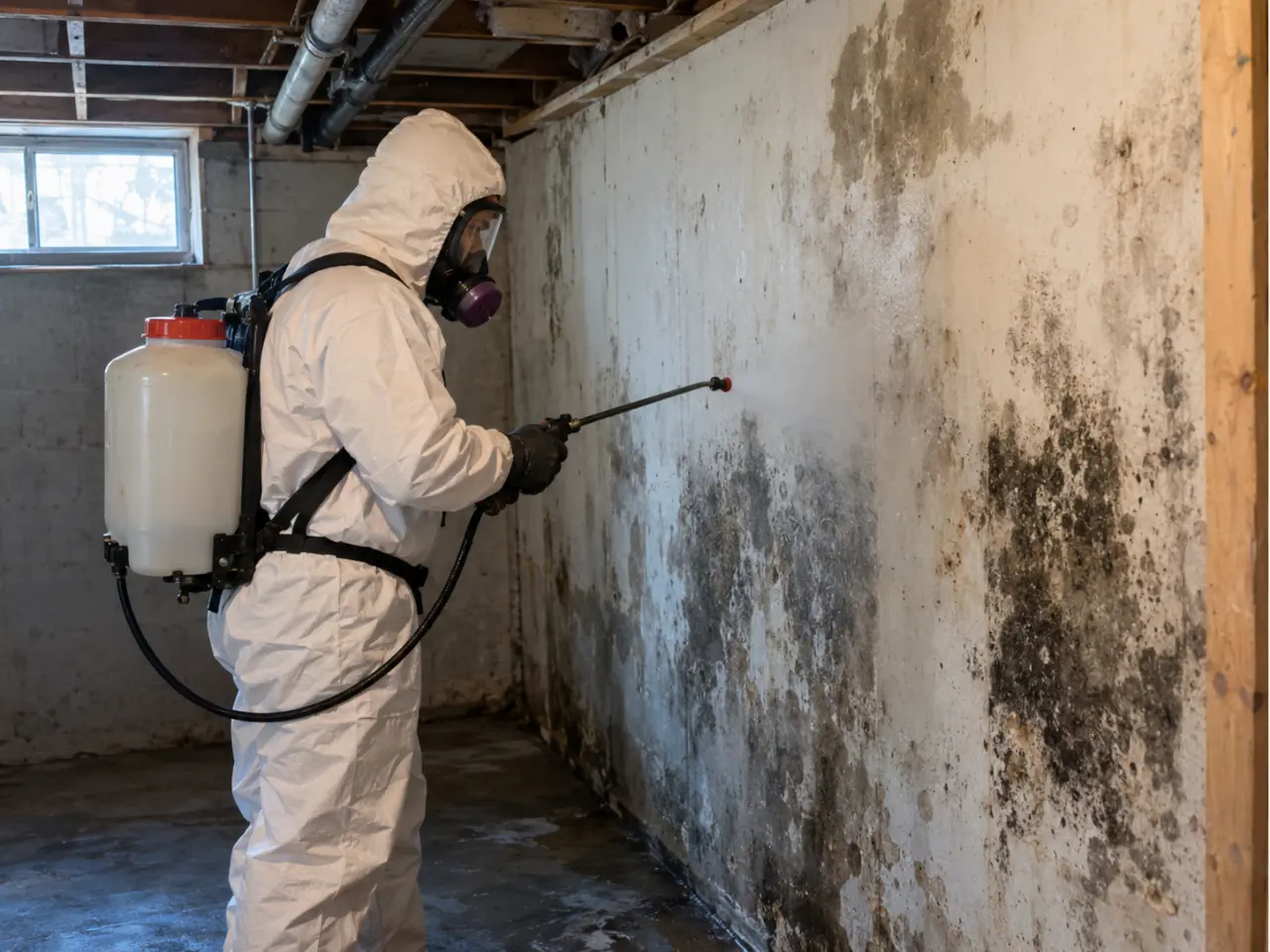
Mold Damage Repairs & Reconstruction
Mold Damage Repairs Summerville SC Done Right
Mold Damage Repairs Summerville SC gives homeowners and property managers a clear path from opened, water-damaged surfaces to rooms ready for normal use. We replace affected drywall, insulation, trim, and other building materials only after the moisture source is addressed and the area is ready for rebuilding. If you need mold damage restoration Summerville SC after a leak, storm, or crawl space moisture problem, we coordinate the repair sequence and keep you informed.
Service overview
Mold Damage Repairs Summerville SC Explained
Mold Damage Repairs Summerville SC is a reconstruction service that replaces building materials damaged or removed during mold cleanup after the moisture source has been corrected. The work can include removing unsalvageable drywall and fiberglass batt insulation, checking exposed wood framing and studs, installing mold-resistant drywall, and finishing seams with joint compound, sealant, and caulk. We match repair areas to the approved work plan, protect nearby rooms, and leave surfaces ready for primer, paint, or the next finish trade. Repairs restore function and a clean, sound surface; they do not replace the need to resolve the original leak.
Summerville homes can develop hidden damage after plumbing leaks, roof and flashing leaks, storm flooding, or persistent crawl space moisture. High indoor humidity and condensation on windows and walls can also keep repaired areas damp if the underlying condition continues. We inspect affected cavities before closing them and explain what needs replacement versus what remains serviceable. For drywall repair after mold in Summerville, South Carolina, the sequence matters: confirm drying, complete remediation, then rebuild. A small opened wall can be less costly than closing wet framing and reopening it later.
Practical benefits
Repairs That Restore Usable Rooms
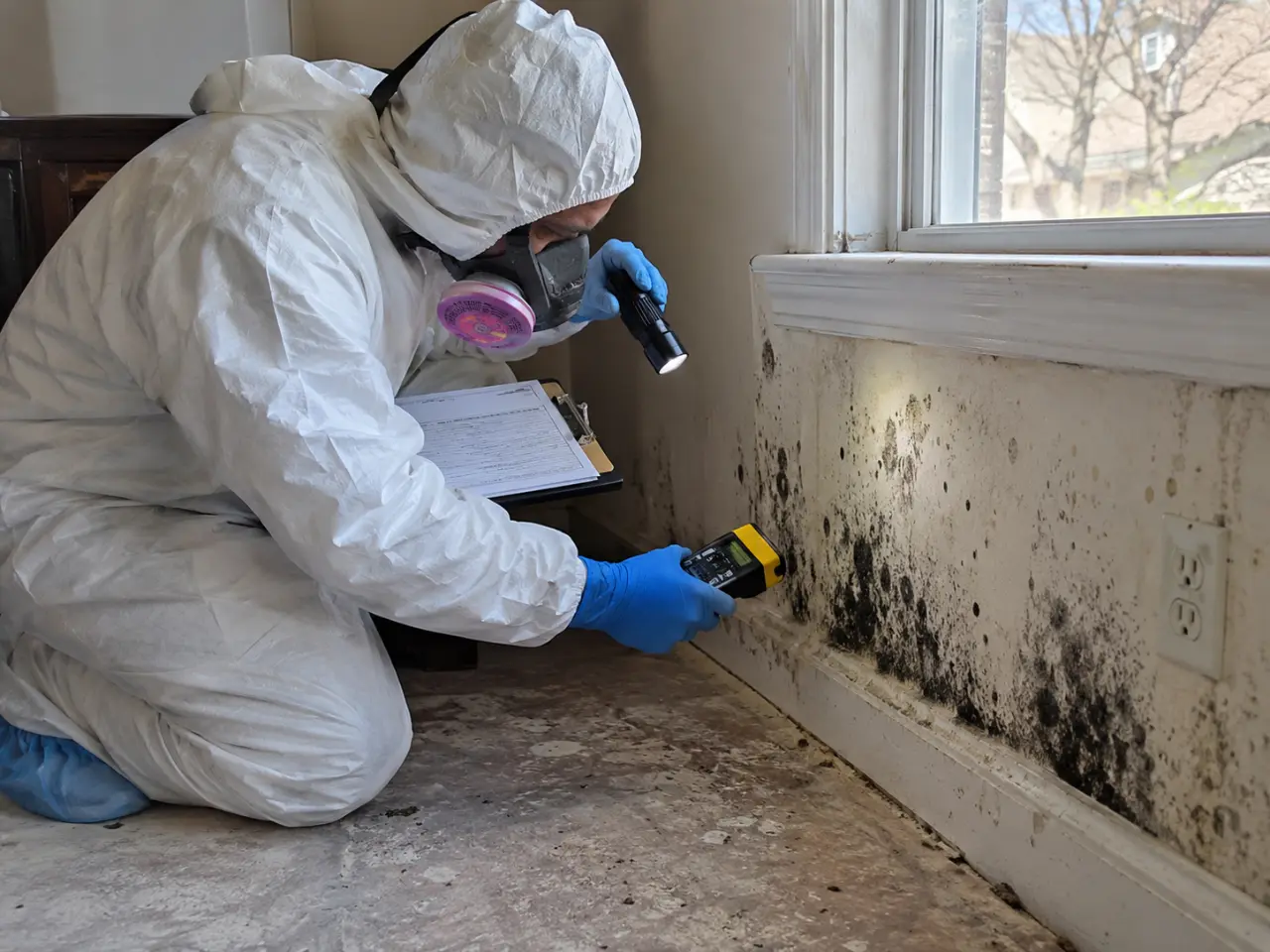
Mold cleanup often leaves openings that expose framing, insulation, and unfinished edges. Our repair work closes those areas with compatible materials and a practical sequence, so you can move from remediation to normal use without guessing what comes next. We focus on the damage documented at your property, not a generic room makeover.
Close Opened Wall Cavities
After the affected materials are removed and the cavity is dry, we install replacement board, tape joints, and apply joint compound in workable coats. A 4-by-8-foot opening, for example, can be rebuilt as a defined repair area rather than turning the entire wall into a renovation. You get a stable surface ready for finishing.
Replace Damaged Trim
Swollen baseboards and door casing can hold damage at floor level, especially after a supply-line leak or wet carpet. We remove affected sections, fit replacement trim, and seal appropriate joints with caulk. The result restores a clean edge and helps prevent gaps from telegraphing through paint.
Coordinate Repair Timing
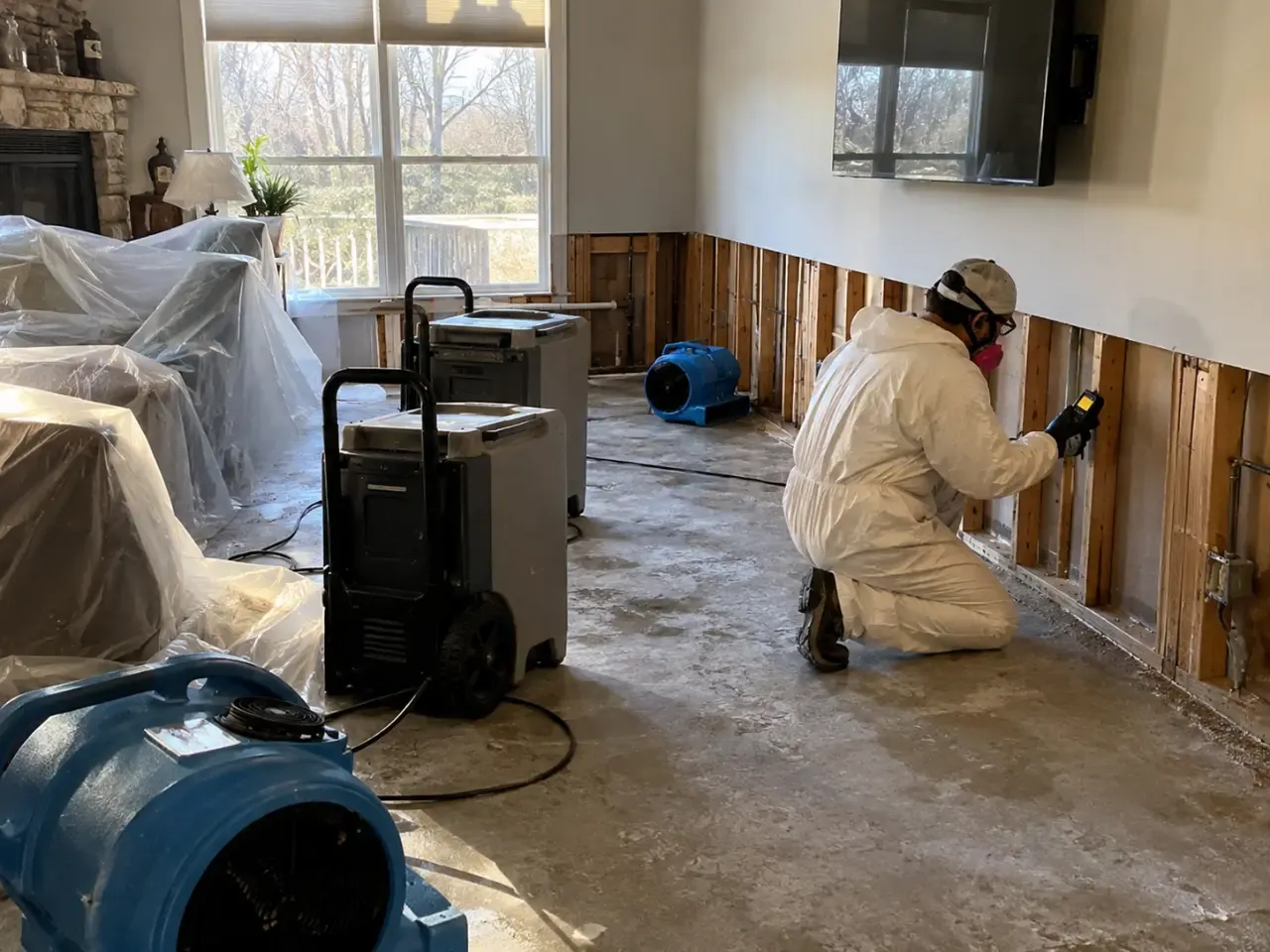
Reconstruction starts after remediation and drying checks, not while wet materials are still concealed. We use moisture readings and visible inspection to establish readiness before closing a cavity. That sequence helps reduce repeat demolition and keeps your repair schedule tied to actual site conditions.
Plan For Lasting Finishes
Where the repair calls for it, mold-resistant drywall and antimicrobial coating provide suitable materials for the rebuilt area, while moisture control addresses the cause. We explain which finish work is included and what requires a separate trade, so you can plan paint, flooring, or cabinet work without surprises.
How service works
How The Repair Process Works
Mold damage reconstruction Summerville follows a practical order: confirm the area is ready, document the repair, rebuild, and check the finished work. The exact schedule depends on drying conditions, material availability, and the size of the opening. We explain each handoff so you know what happens in your home and what access our crew needs.
STEP 01
Review The Work Area
On the first visit, our team reviews the remediation boundary, the removed materials, and the visible condition of framing and adjacent finishes. We photograph the repair area and discuss what you want restored, such as wallboard, baseboards, or a ceiling section. A straightforward site review usually takes 30 to 60 minutes, with more time for multiple rooms.
Tools and methods
Tools And Repair Methods
FLIR thermal imaging camera
We use thermal patterns to help identify temperature differences that may point to hidden moisture pathways. Imaging guides inspection; it does not replace direct moisture readings or opening a cavity when the repair plan requires it.
Pin-type and pinless moisture meter
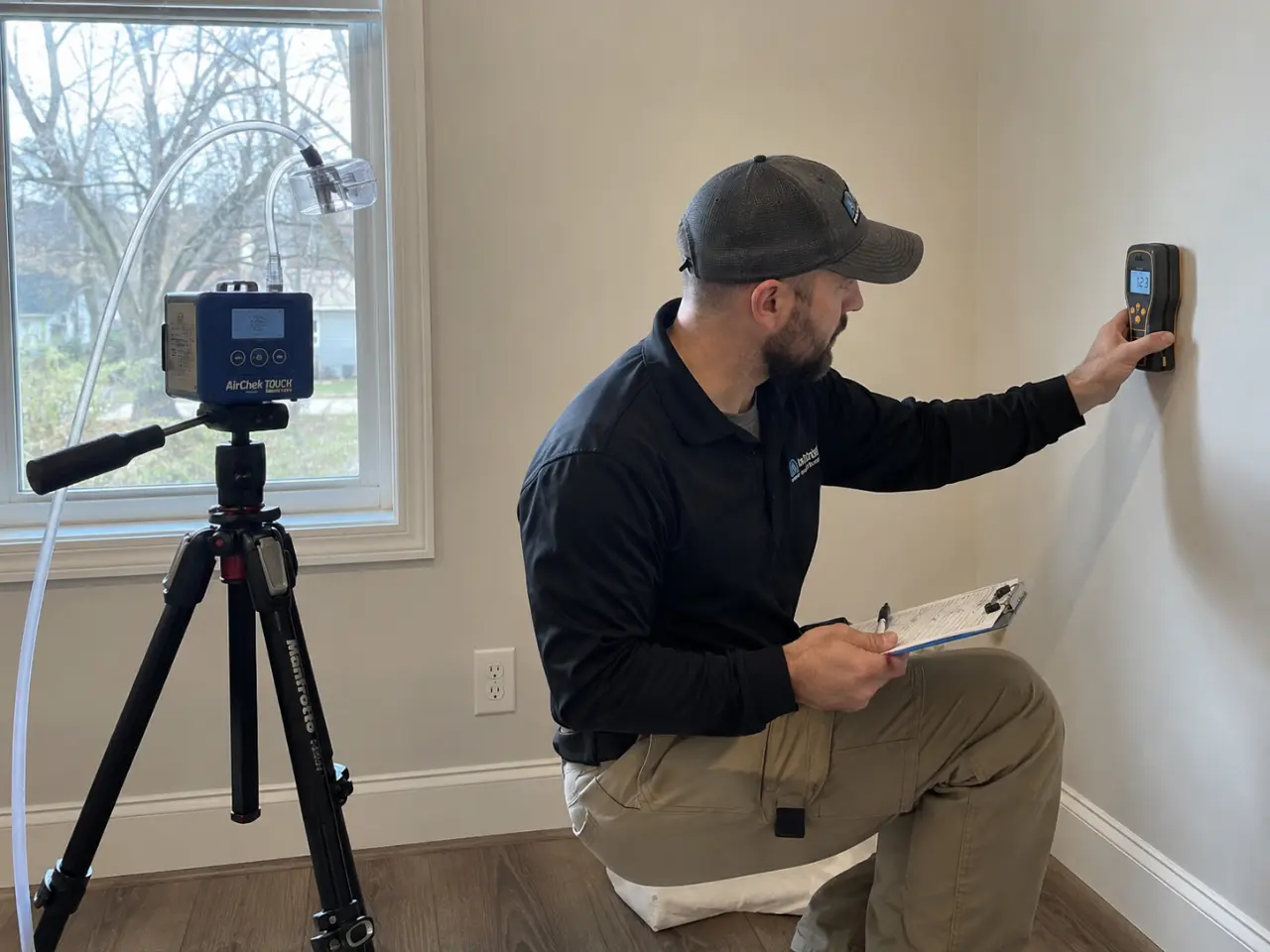
These meters help compare moisture conditions at exposed framing, drywall edges, and nearby reference areas. We use readings to decide whether materials are ready for closure rather than relying on touch alone.
HEPA air scrubber
A HEPA air scrubber can filter airborne particles from an appropriately controlled work zone during repair activity. It supports containment and careful material handling but does not remove the need to correct moisture or replace damaged materials.
Commercial LGR dehumidifier
This equipment removes moisture from air during structural drying when site conditions call for active dehumidification. We pair it with air movement and repeat moisture checks to track progress before reconstruction.
Fiber optic wall cavity camera
A fiber optic wall cavity camera can help view an accessible concealed space through a small opening. It gives our team another way to assess insulation or framing conditions without expanding the opening unnecessarily.
ANSI/IICRC S520 sequence
We use the ANSI/IICRC S520 Mold Remediation Standard as a reference for keeping remediation and reconstruction in the correct order. Affected material removal and cleaning come before rebuilding, and the cavity is checked for moisture before new drywall or insulation covers it.
Moisture-based closure check
Before closing an opened wall or ceiling, we compare readings at several points with nearby unaffected materials. The check helps establish whether drying is complete enough for the next step. If readings remain high, we continue drying and reassess rather than treating a dry surface as proof that the cavity is ready.
Contained repair work
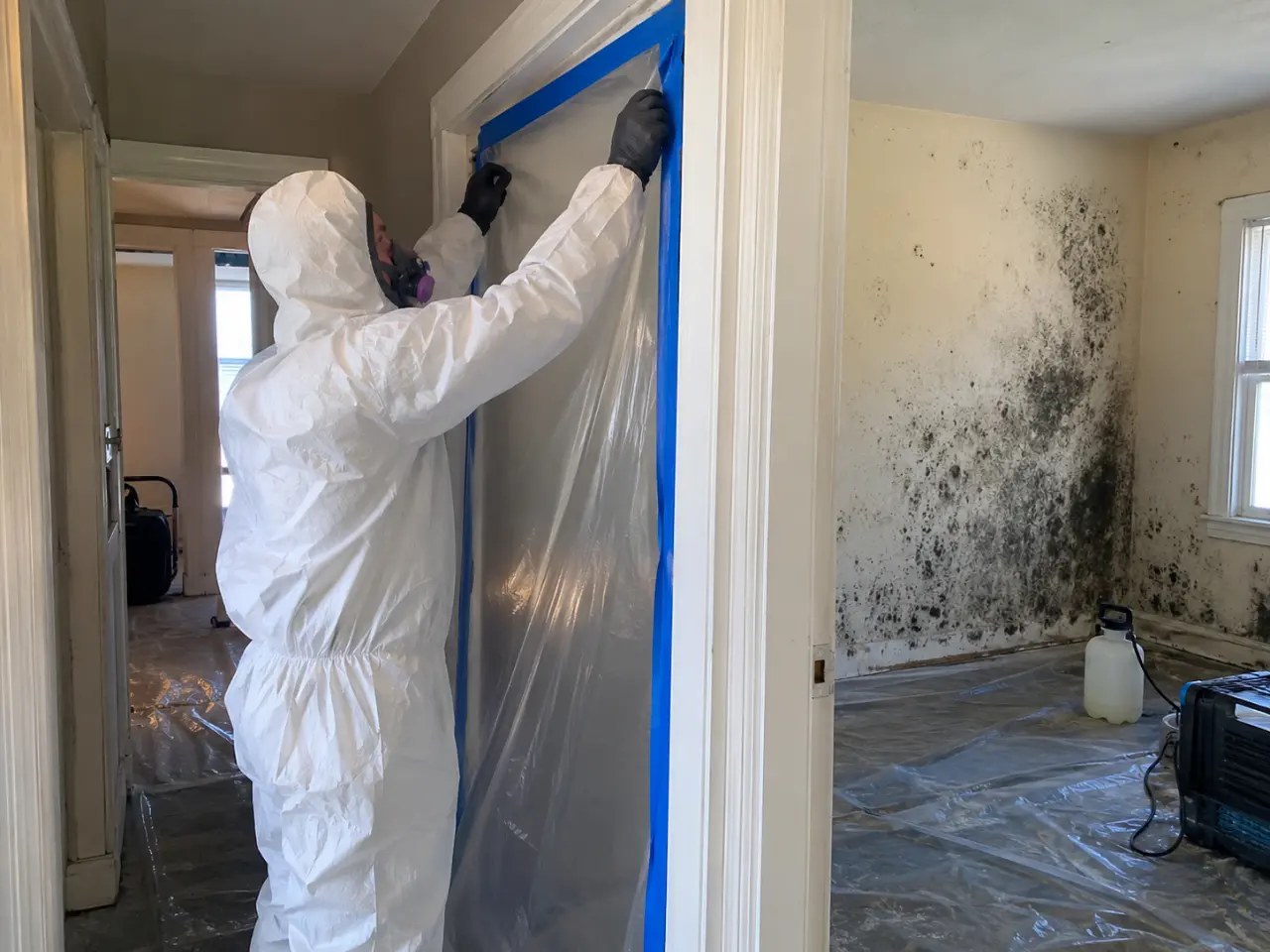
Where the job conditions call for separation, we install containment sheeting and zipper doors to define the repair area. We protect adjoining finishes, control movement through the work zone, and clean the repair area as work progresses. The containment plan is matched to the size and location of the repair.
Material-matched reconstruction
We select replacement drywall, insulation, trim, and sealant for the location and repair conditions. New materials are fitted to sound framing and finished in workable stages. This method avoids forcing a standard patch onto a ceiling, wet-area wall, or trim transition that needs a different approach.
Where this service fits
When Reconstruction Is Needed
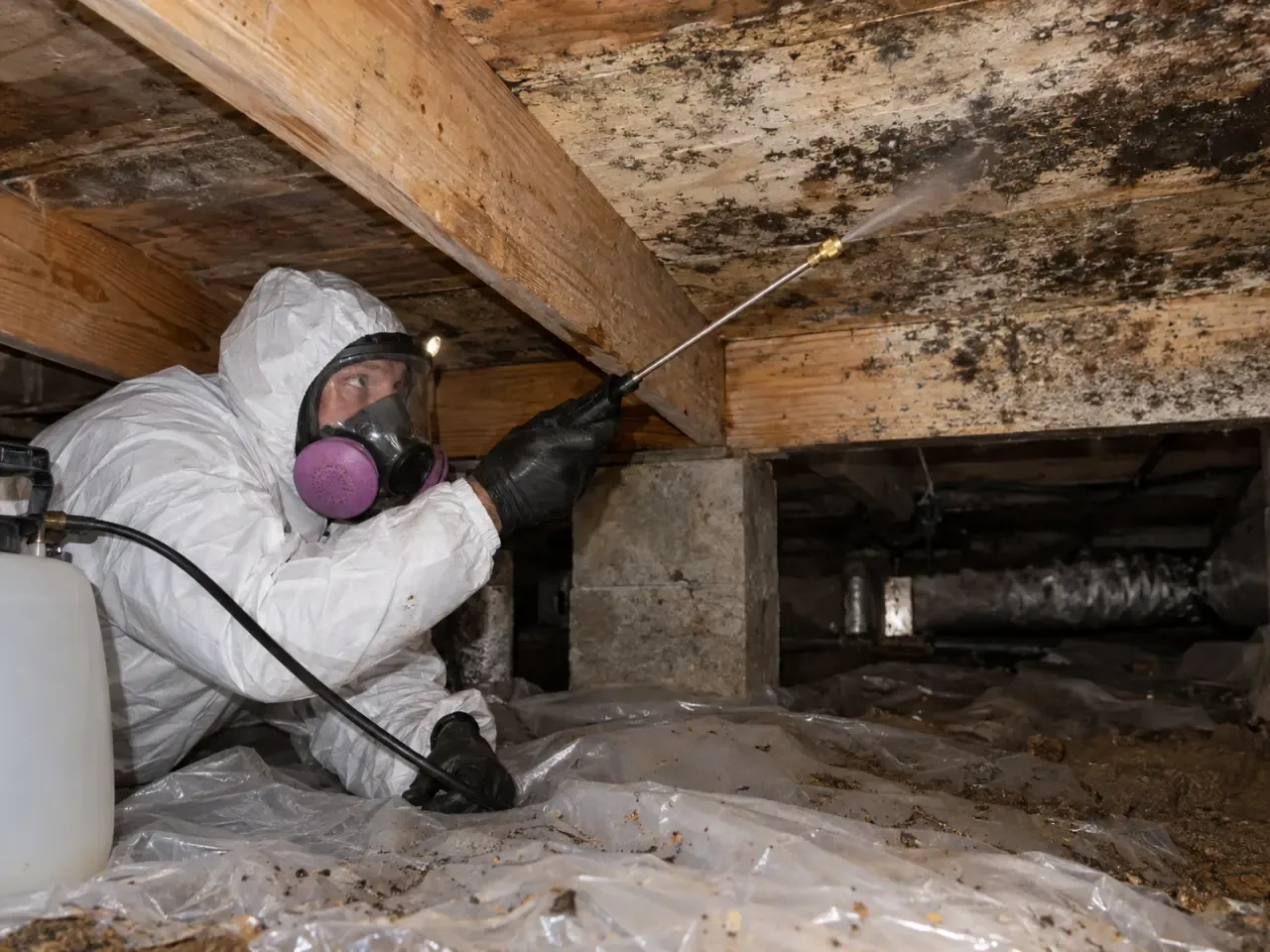
A plumbing leak in a Summerville kitchen has left a wall cavity open after affected drywall was removed.
We review the cleanup boundary, verify drying with moisture readings, and inspect exposed framing before installing replacement board. If insulation was removed, we replace it after the cavity is ready. We also coordinate the repair timing with plumbing work so the leak is corrected before the wall is closed. Your kitchen wall is rebuilt with a stable surface ready for the agreed finish, and the repair does not conceal an unresolved leak.
A roof and flashing leak has damaged a bedroom ceiling and insulation after heavy rain.
We assess the ceiling opening, check accessible framing and insulation, and confirm the roofing source has been addressed. The crew replaces damaged ceiling material and finishes the seams. If moisture remains, we continue drying before rebuilding so new materials are not installed into a wet cavity. The damaged ceiling is restored and the repair sequence accounts for both the interior materials and the corrected water entry point.
A rental property in Sangaree needs removed wallboard and baseboards replaced between occupants.
We confirm remediation is complete, measure each repair area, and rebuild the wall and trim in a coordinated visit sequence. We protect adjoining finishes and report which surfaces are ready for paint. When access is limited, we organize the work by room so the property can be returned to service efficiently. The owner gets documented repairs, clear finish requirements, and a more usable property without leaving exposed cavities for the next tenant.
A crawl space moisture problem has affected lower wall finishes in a home near Ashborough.
We inspect the accessible lower wall, determine the extent of material damage, and confirm moisture conditions before replacing drywall or trim. We discuss crawl space vapor barrier and moisture-control needs separately from the interior rebuild, so the source is addressed alongside the visible damage. The repaired lower wall has sound replacement materials, while the homeowner has a practical plan to reduce the moisture conditions that contributed to the damage.
Local execution
How Repairs Run In Summerville
Mold damage repairs in Summerville need to account for humid months, heavy rain, and moisture moving through crawl spaces and wall cavities. In Dorchester County, a roof leak after a storm, a slow plumbing leak, or HVAC condensate and coil moisture can leave damage in different parts of the home. We look beyond the stain: an exterior-wall opening may need insulation review, while a ceiling repair may require checking the cavity above it. For drywall replacement after mold remediation Summerville, we verify drying and the affected boundary before installing new board. Our crew serves established homes and newer construction in communities such as Nexton and Cane Bay Plantation, where layouts and access differ. Repair choices must also suit the building and applicable requirements; we do not claim a code approval without the required inspection. In October and through winter, we also check for condensation on windows and walls, then help you distinguish seasonal surface moisture from a leak. After the rebuild, we discuss the moisture source and practical monitoring so the repair is not treated as the whole solution.
Nexton
Newer layouts can place plumbing, HVAC lines, and interior finishes close together. We trace the affected repair boundary before replacing wallboard so adjacent surfaces are not disturbed unnecessarily.
Cane Bay Plantation
After wind-driven rain or a roof leak, ceiling and upper-wall damage can extend beyond the visible stain. We check the opened area and insulation before rebuilding.
Sangaree
Established homes may have several layers of prior finish work. We inspect the material at the repair edge and fit replacement drywall and trim to the existing room.
Wescott Plantation
When a leak affects a bathroom or laundry area, we coordinate wall repairs with the plumbing correction and confirm the cavity is dry before closing it.
Humid weather slows drying in enclosed wall and ceiling cavities.
New drywall should not cover damp framing simply because the surface feels dry. We track moisture readings and use appropriate drying equipment where needed, then proceed when the cavity is ready for reconstruction.
Crawl space moisture affects lower walls and flooring transitions.
Persistent moisture can damage baseboards and the bottom edge of drywall. We replace affected materials after checking the wall condition and discuss crawl space moisture control as part of preventing repeat damage.
Storm-related roof leaks stain ceilings and wet insulation.
The visible ceiling mark may not show the full repair area. We inspect the opening, verify that the roof source is corrected, and replace damaged insulation or ceiling material only after drying is confirmed.
Problems we solve
Problems Fixed By Reconstruction
A completed cleanup can still leave open cavities, damaged finishes, or missing insulation that make a room difficult to use. Reconstruction after mold damage in Summerville, South Carolina, restores those building surfaces after the water source and affected materials have been addressed. We match the repair to the actual damage, then explain what needs attention next.
A wall opening remains after contaminated drywall was removed.
We check that remediation and drying are complete, measure the opening, and install suitable replacement drywall and insulation where required. We finish the seams and prepare the surface for the specified finish. If moisture readings are still elevated, we keep the cavity open and continue the drying sequence rather than sealing in damp material. The exposed cavity leaves framing and insulation vulnerable to household dust and accidental damage, while the room remains unfinished and difficult to occupy normally.
Water-damaged baseboards stay swollen after a plumbing leak.
We remove affected trim, inspect the wall edge and subfloor area that is accessible, and confirm moisture conditions before fitting replacement pieces. We caulk suitable joints and leave the surface ready for paint. If a continuing leak is found, we identify the need for plumbing correction before finishing the repair. Soft trim can separate from the wall, leave gaps at the floor, and conceal damage along the lower edge of drywall. Repainting alone does not restore the damaged material.
A ceiling patch hides a leak but the insulation remains wet.
We open the repair area as required, check the insulation and exposed framing, and use moisture readings to guide drying. After the source is corrected and conditions are ready, we replace affected materials and rebuild the ceiling. We also explain any roofing or plumbing repair needed outside our reconstruction work. Closing the ceiling over damp insulation risks staining and renewed damage, while loose material can sag and compromise the finished surface below.
Cabinet edges and nearby trim show damage after prolonged moisture.
We inspect the affected edges and adjoining wall, then identify which components can be retained and which need replacement. Cabinet and trim replacement after mold near me often involves coordinating measurements and finish choices; we keep the repair boundary clear and rebuild the adjacent surfaces after moisture control is complete. Swelling at cabinet ends or trim joints can prevent doors from aligning and leave a rough transition against repaired drywall, especially near sinks and exterior walls.
A practical standard for every visit.
Clear planningPrepared arrivalsCareful workLocal follow-through
Experience in the details
Reconstruction Knowledge That Matters
Summerville Mold Shield was founded in 2018 and has served local properties for 8 years. Our work connects mold cleanup with the building repairs that follow, so we understand why a wall should not be closed before moisture checks are complete. We apply the ANSI/IICRC S520 Mold Remediation Standard as a remediation reference and use IICRC WRT and IICRC AMRT training principles where relevant to water-damaged materials and microbial work. On your job, we focus on sound preparation, suitable replacement materials, and a clear transition from cleanup to reconstruction.
- We assess wood framing and studs before covering them, looking for visible deterioration, remaining dampness, and repair conditions that call for further evaluation.
- Our repair sequence follows the ANSI/IICRC S520 Mold Remediation Standard principles for keeping remediation and reconstruction work properly ordered.
- We use moisture readings at multiple points rather than relying on a single surface check before installing replacement drywall.
- Our team coordinates wall, ceiling, trim, and insulation repairs so adjoining surfaces meet cleanly and the work area is ready for finishing.
- We explain the difference between replacing damaged materials and correcting the moisture source, including when a plumbing or roofing trade is needed.
Where we work
One local team. A lot of ground covered.
NextonCane Bay PlantationSangareeWescott PlantationWhite GablesLegend Oaks PlantationLakes of SummervilleAshborough
Check my address Small drywall and trim repairs often cost $300 to $1,200, while multi-room reconstruction can run $2,000 to $8,000 or more. Typical 2026 pricing in Summerville depends on square footage, insulation replacement, ceiling access, and finish requirements. We inspect the damage and explain the repair cost before work begins. Mold damage repair cost Summerville SC is separate from remediation when removal and rebuilding are distinct parts of the project.
Homeowners insurance may cover resulting repairs when mold follows a covered, sudden water event, but coverage varies by policy and cause. Gradual leaks, maintenance issues, and mold limits can change the outcome. We document affected materials with photos and a clear repair description for your claim file. Your insurer makes the coverage decision, so review your policy and ask the adjuster whether drywall replacement after mold remediation is included.
Drywall can stay if it is structurally sound, cleanable, and dry; porous board with extensive growth, swelling, or crumbling usually needs removal. We assess the affected section, inspect the cavity, and check moisture before recommending a patch or replacement. A small cutout around a leak may be repairable, while a larger contaminated area often needs a new panel and insulation. The condition behind the surface decides.
A small wall patch and trim repair can take one to two workdays, while multi-room reconstruction often takes three to seven days. Drying time, the number of finish coats, and access to the affected cavity influence the schedule. We do not install replacement materials until moisture checks support closing the area. Ceiling repair from water damage Summerville SC can take longer when insulation or framing also needs replacement.
Keep exploring
Services That Support The Repair
Your next step is waiting
Start Mold Damage Repairs In Summerville
Open drywall, damaged trim, or a stained ceiling needs a repair plan built around dry materials and a corrected moisture source. Call Summerville Mold Shield at (843) 892-8834 to arrange a property review and discuss the next step. Our team has served Summerville for 8 years.
Start with the basics
Contact Our Summerville Team
Call Summerville Mold Shield at (843) 892-8834 to discuss visible mold, a leak, or a damp crawl space. We take calls for urgent moisture problems and arrange service during our business hours, Monday through Friday, 8 a.m. to 6 p.m. Tell us what happened and which rooms are affected so we can help you plan the next step.