Mold Inspection
Mold Inspection Summerville SC for Clear Answers
Mold Inspection Summerville SC from Summerville Mold Shield helps homeowners, buyers, landlords, and property managers identify visible growth, hidden moisture, and likely causes before damage spreads. We inspect the areas tied to your concern, explain what the readings mean, and show you practical next steps. If you have a musty smell, a recent leak, or a home purchase underway in South Carolina, get the property checked by a local team.
Service overview
Mold Inspection Summerville SC: What We Check
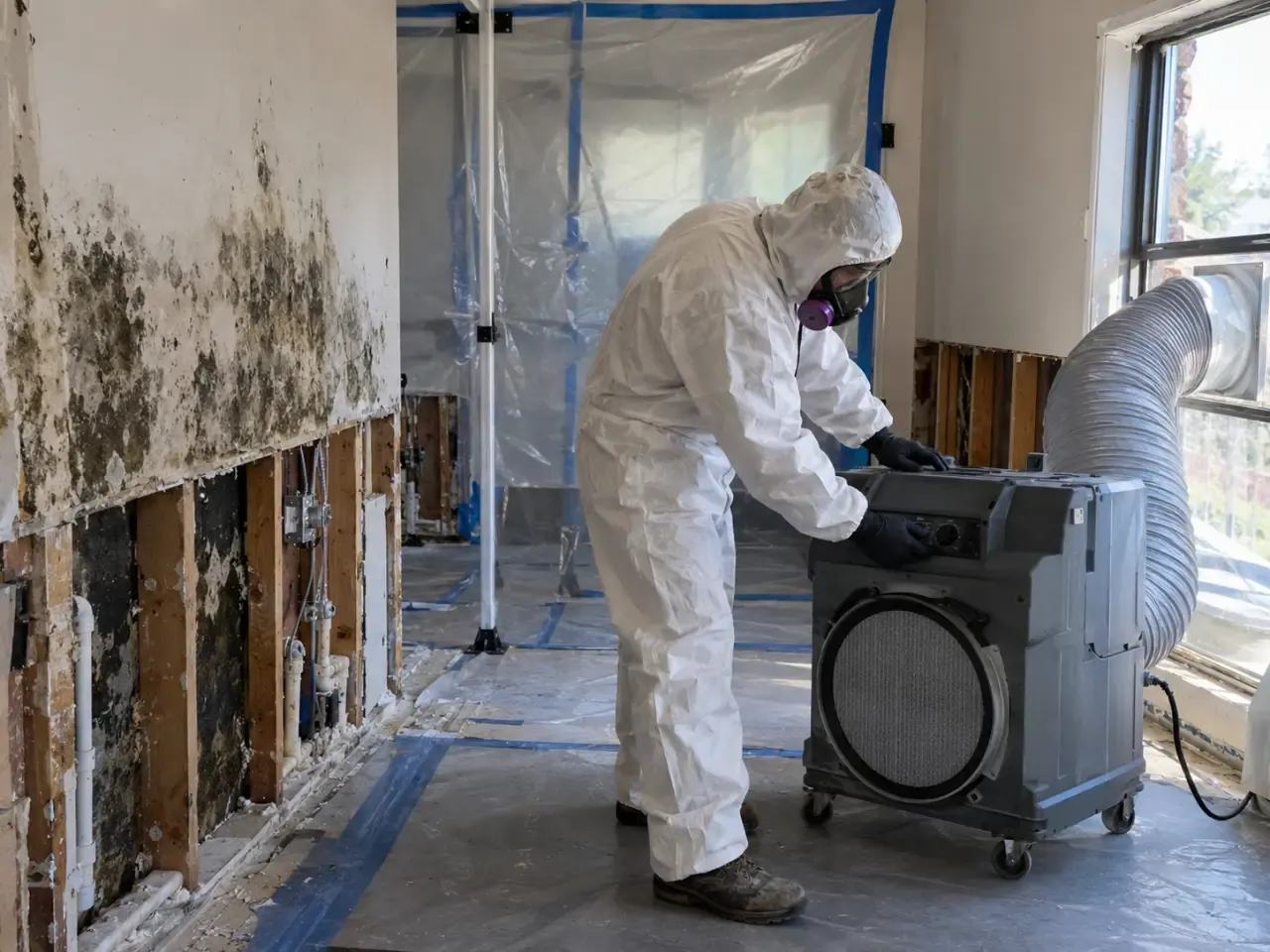
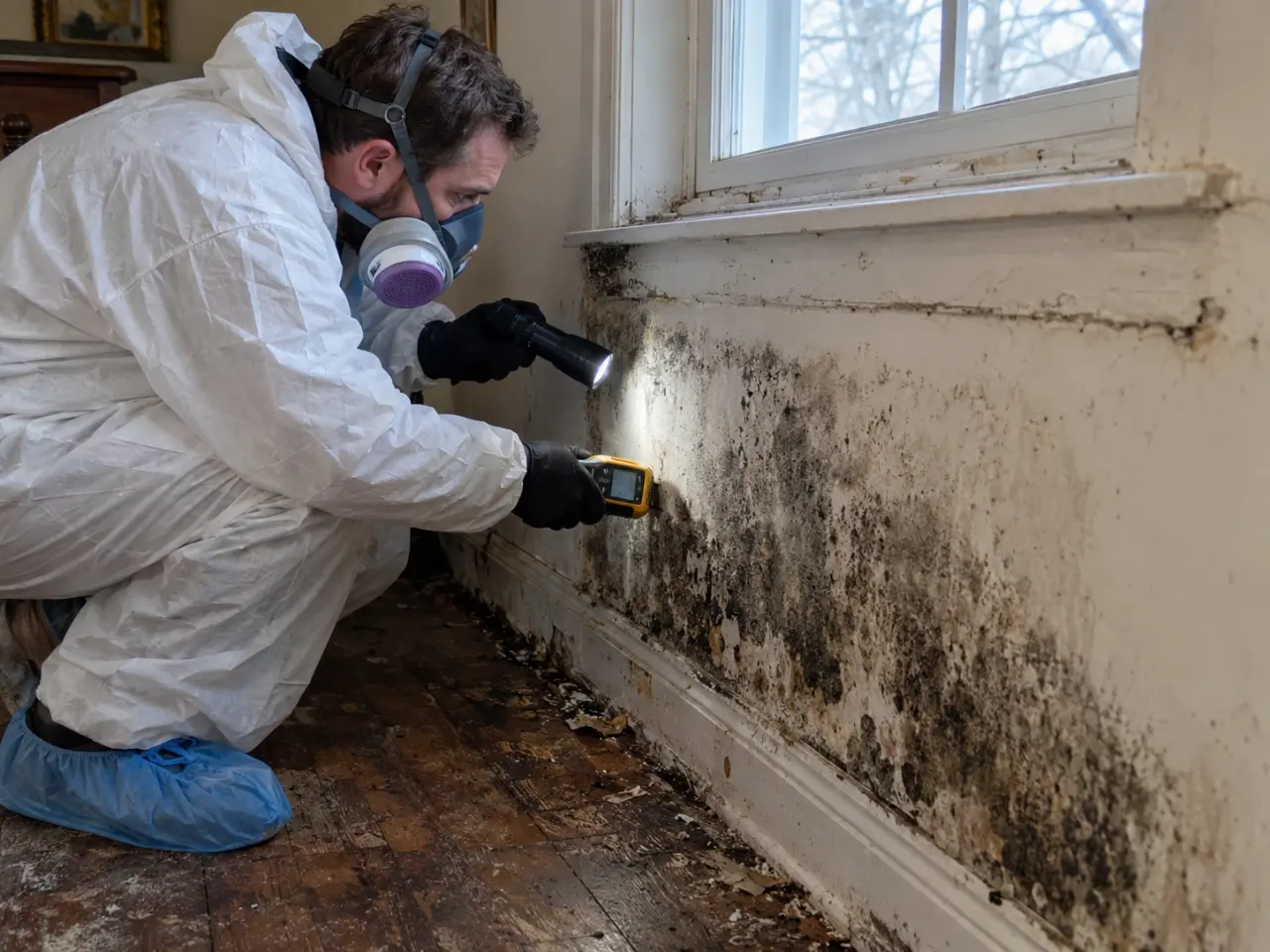
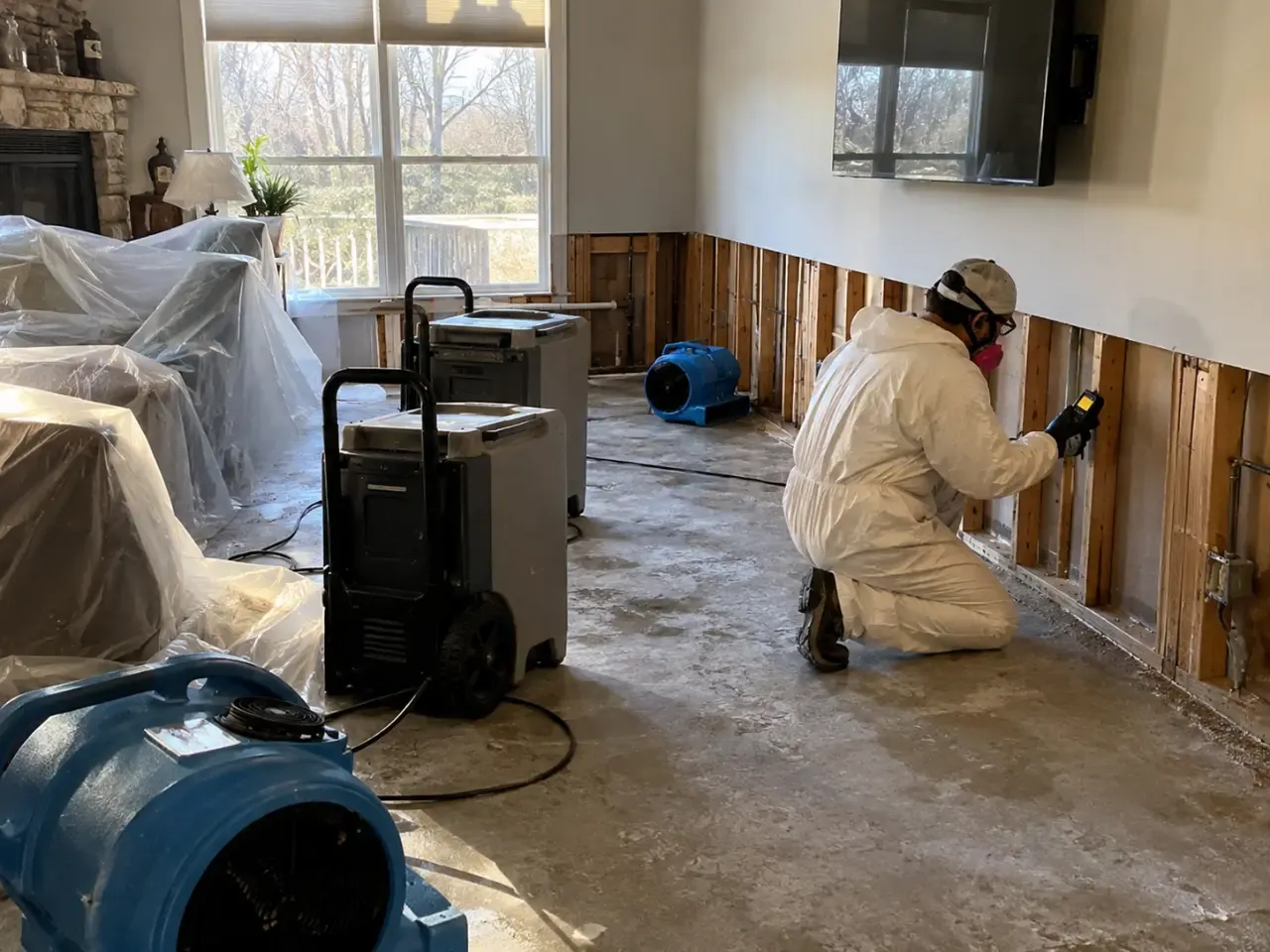
Mold Inspection Summerville SC is a building assessment that locates visible mold, moisture intrusion, and conditions that can support mold growth. We check the reported area and connected spaces, look for water staining and musty odors, and take moisture readings in materials such as drywall, trim, and wood framing. When access allows, we examine attics, crawl spaces, bathrooms, and HVAC-adjacent areas. A thermal imaging camera can help identify temperature patterns that warrant closer moisture checks; it does not identify mold by itself.
Summerville homes face humidity, heavy rain, plumbing leaks, roof and flashing leaks, and damp crawl spaces. A careful inspection connects the symptoms to the source instead of treating one discolored patch as the whole problem. Our home mold inspection Summerville service is useful after a leak, before a renovation, or when an odor persists despite cleaning. For a broader attic and crawl space mold inspection in Summerville, South Carolina, we check accessible framing, insulation, and signs of water entry.
Practical benefits
Useful Findings, Clear Next Steps
A solid inspection gives you more than a yes-or-no answer. We document where moisture is present, which materials need attention, and whether sampling would answer a specific question. You get practical findings you can use to plan a repair, discuss a property transaction, or decide whether remediation is warranted.
Find the moisture source
We trace visible staining and elevated readings toward likely causes such as a plumbing leak, roof entry, or crawl space moisture. Pin-type and pinless moisture meter checks help compare affected materials with nearby dry areas. That comparison gives you a useful baseline and directs repair work to the source instead of just the surface.
Avoid unnecessary testing
Mold is often assessed first by inspection, not by automatically collecting samples. We explain when visible evidence and moisture conditions provide enough direction and when laboratory analysis could answer a specific concern. You pay for testing only when it helps clarify an unresolved question, such as an indoor air concern or a real estate dispute.
Support a property decision
Buyers and sellers need clear information about the affected location, observed conditions, and recommended next action. We record findings in accessible language so you can discuss them with your agent or contractor. A real estate mold inspection near Nexton and Cane Bay can help you understand whether a stain appears active, old, or connected to a current moisture issue.
Protect repair planning
A defined inspection area helps prevent repairs from stopping at the visible mark. We identify nearby materials that need further evaluation, including damp drywall or insulation, and explain whether drying, removal, or follow-up measurement is appropriate. This reduces guesswork before you open a wall or replace a ceiling finish.
How service works
What Happens During Inspection
Mold inspection services in Summerville, South Carolina follow a practical sequence: learn the history, check the building, measure moisture, and explain findings. Most standard visits take about 1.5 to 3 hours, depending on property size, access, and the number of affected areas. We keep you informed as we move through the property.
STEP 01
Discuss the concern
We start with your timeline: when the odor began, where you saw staining, and whether a leak, storm, or HVAC issue occurred. This usually takes 10 to 15 minutes and helps us prioritize rooms and building areas. You can point out prior repairs, recurring condensation, or spots that return after cleaning.
Tools and methods
Tools and Inspection Methods
Thermal imaging camera
We use thermal patterns to identify areas that deserve closer moisture checks. The camera does not detect mold; it helps direct measurements toward temperature differences that may reflect a building or moisture condition.
Pin-type and pinless moisture meter
Pinless readings help scan suitable surfaces without puncturing them, while pin-type readings check moisture at contact points. We compare suspect materials with nearby areas and interpret the results in context.
Borescope inspection camera
Where appropriate and approved, a borescope can view an accessible wall cavity through a small opening. It helps check concealed conditions without removing a large section of finished wall.
Hygrometer
A hygrometer records indoor relative humidity and temperature at the time of inspection. Those measurements add context when evaluating condensation, high indoor humidity, or conditions that may slow drying.
Moisture-source tracing
We follow visible staining, odor, and moisture readings toward likely water pathways, checking connected rooms and accessible building areas. The aim is to separate a surface symptom from the condition sustaining it. We document what supports the finding and identify what remains uncertain.
Comparative material readings
We compare readings from suspect materials with readings from nearby, apparently unaffected material of a similar type. This provides a useful reference instead of relying on a single number without context. We record locations and explain whether readings indicate a need for drying or follow-up.
Standards-informed assessment
When inspection findings point toward remediation, we use ANSI/IICRC S520 Mold Remediation Standard principles to frame containment and work planning. EPA Mold Remediation guidance also informs practical communication about moisture correction and affected materials. Inspection findings remain distinct from a remediation scope.
Where this service fits
When to Schedule an Inspection
A Summerville home has a recurring musty odor after a plumbing leak was repaired.
We check the repaired area and adjoining materials for lingering moisture, then compare readings across nearby surfaces. If damp drywall or trim remains, we explain what needs drying and where follow-up measurements belong. We also look for signs that the leak affected a second room or concealed edge. You learn whether the area is dry, still needs attention, or warrants targeted testing before cosmetic repairs begin.
A buyer in Nexton or Cane Bay notices a ceiling stain during a walk-through.
We inspect accessible surfaces and related attic areas, look for signs of roof or flashing entry, and record moisture conditions. We explain whether the mark appears dry or whether current readings justify further evaluation. Our notes give you a practical basis for follow-up questions during the transaction. You understand the observed condition and can discuss a focused repair or additional investigation before making plans.
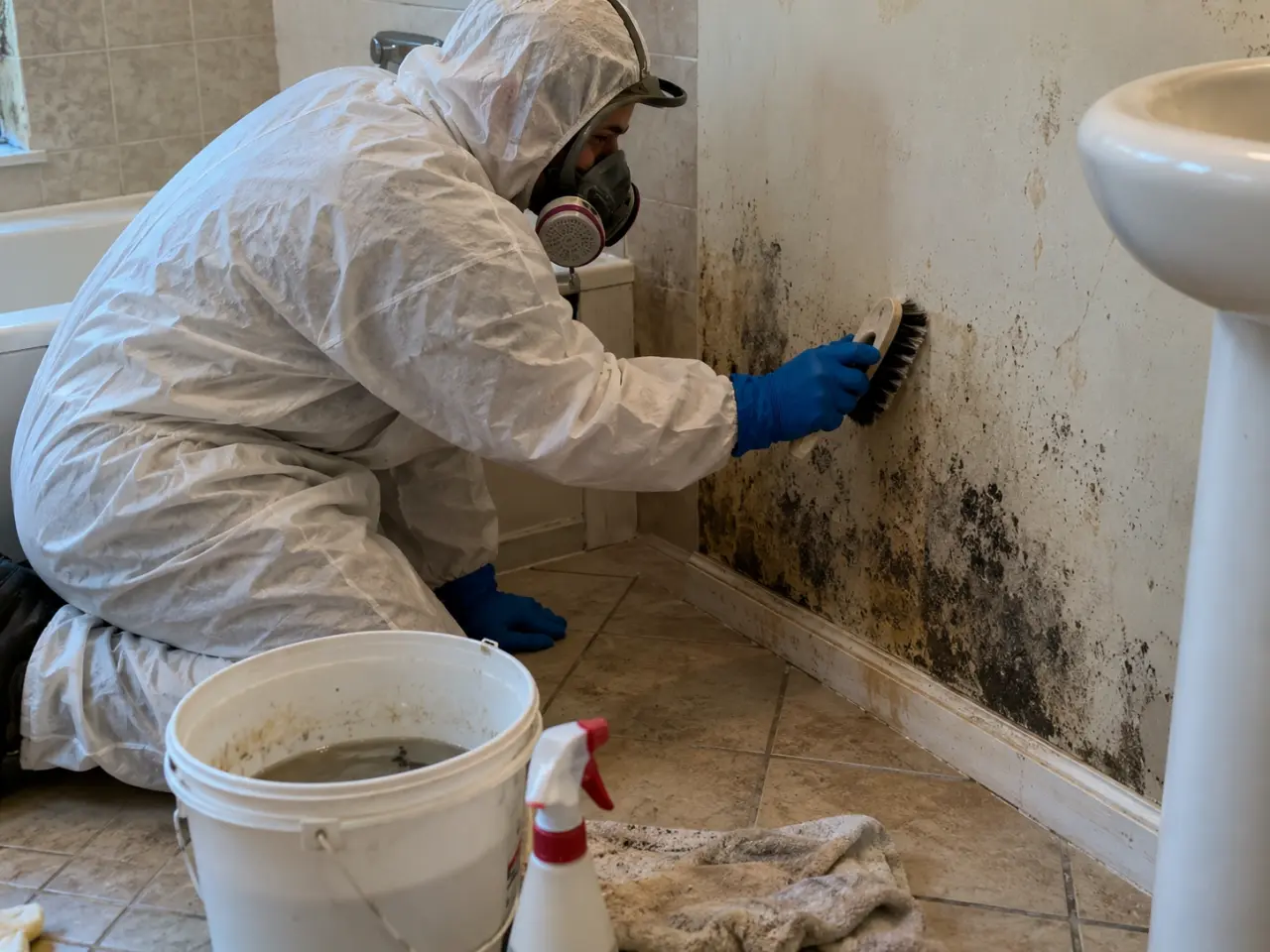
A rental property owner sees visible mold on a bathroom ceiling and baseboards.
We check the affected finishes, ventilation conditions, nearby plumbing, and adjacent materials for moisture. We identify what is accessible and explain whether the visible area is isolated or connected to a wider damp condition. The findings help you plan correction and communicate the next steps to occupants. You get a defined repair path that addresses the moisture source as well as the visible surface.
A crawl space smells damp after several days of heavy rain.
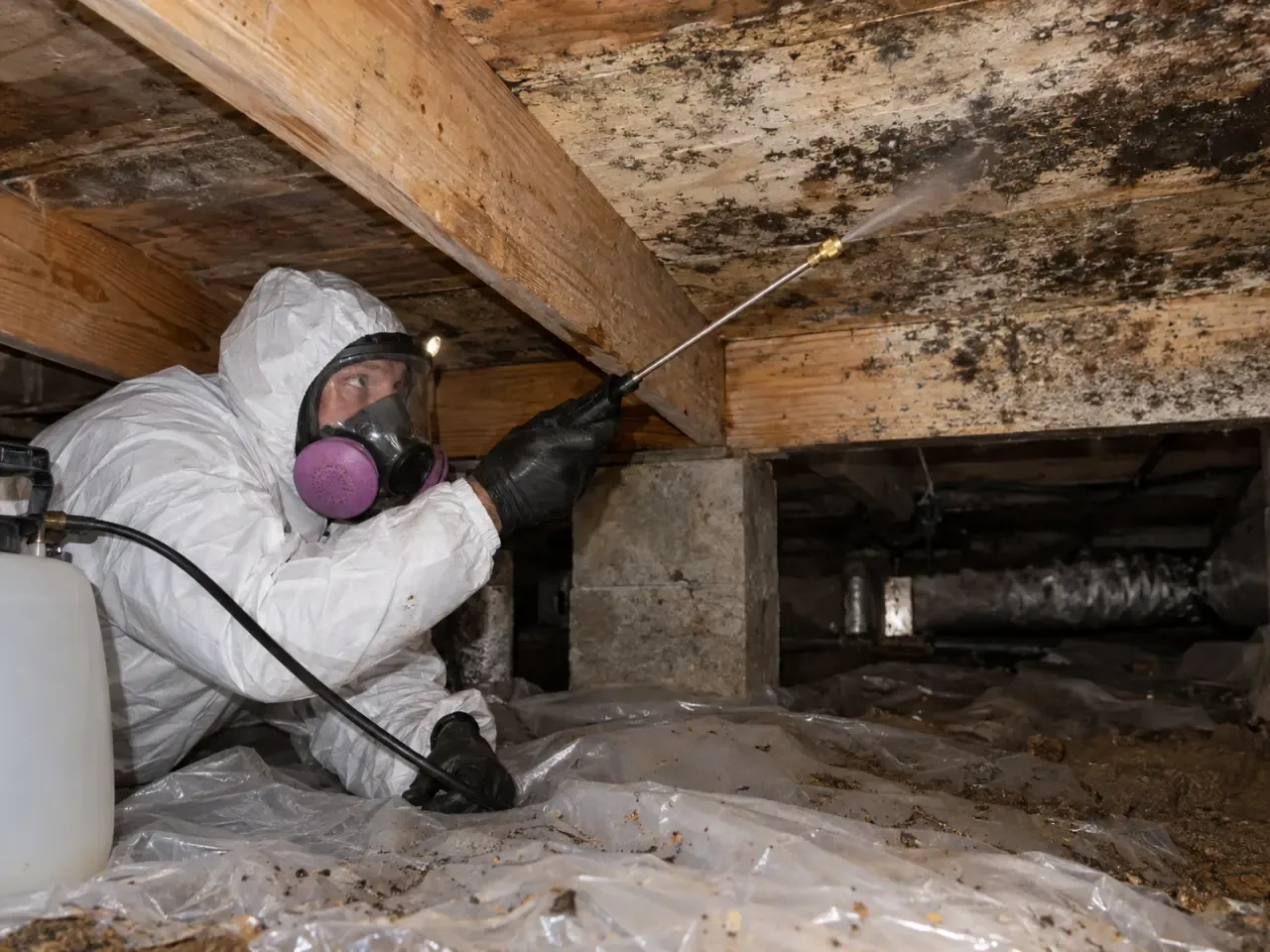
We inspect accessible crawl space materials for standing water, damp framing, and visible growth, then note conditions that may persist after the weather clears. We compare readings where appropriate and explain whether drainage, vapor control, or additional drying should be considered. You can prioritize water management and track whether the space returns to a drier condition.
Local execution
How Mold Inspection Works in Summerville
Summerville's humid conditions, frequent rain, and warm months can leave crawl spaces and poorly ventilated rooms damp. Fall and winter storms can also expose roof and flashing weaknesses, while summer humidity and air-conditioning use can contribute to condensation around windows, walls, and HVAC components. Our mold assessment Summerville SC service considers those local moisture pathways instead of treating every stain as the same problem. In homes with crawl spaces, we check accessible framing and vapor-control conditions; in slab-on-grade homes, we ask about plumbing leaks and slab-edge moisture. Many inspections take 1.5 to 3 hours, with additional time for larger properties or multiple affected rooms. For an attic and crawl space mold inspection in Summerville, South Carolina, access and safe working conditions affect which areas we can examine. We serve Dorchester County, including ZIP codes 29483, 29485, 29486, and 29484. Findings describe observed conditions; building repairs should follow applicable requirements and be handled by qualified trades.
Nexton
In newer homes, we focus on reported leaks, window condensation, and HVAC condensate areas, checking accessible finishes and nearby materials for moisture.
Cane Bay Plantation
For homes with crawl spaces or recent storm concerns, we check accessible underfloor areas and look for damp framing, staining, and water entry.
Sangaree
We pay close attention to recurring bathroom and plumbing concerns, including damp trim or drywall that remains after a leak repair.
Wescott Plantation
Where a roof stain or musty odor is reported, we assess the affected room and relevant accessible attic or utility areas.
High outdoor humidity and limited airflow in crawl spaces
Persistent dampness can affect framing and stored materials, while odors may migrate indoors. We check accessible surfaces and moisture conditions, then explain whether drainage, drying, or improved moisture control should be evaluated.
Heavy rain exposing roof, flashing, or exterior entry points
Water can travel along framing before it appears as a ceiling or wall stain. We inspect the visible mark and connected accessible areas, looking for patterns that help distinguish an active leak from older discoloration.
Air-conditioning condensate and window condensation
A blocked condensate path or repeated condensation can keep nearby finishes damp. We check around the reported location and record humidity context, then identify whether HVAC service or improved moisture management needs to follow.
Problems we solve
Resolve Moisture Questions Before Repairs
A stain or odor does not tell you whether a leak is active, how far moisture has traveled, or whether sampling will help. Our inspection connects the symptom to accessible building evidence and gives you a sensible next move. That clarity matters before you repaint, replace flooring, or close a repaired wall.
A musty odor returns after cleaning the same room
We inspect the room and connected areas, compare moisture readings, and look for nearby plumbing, window, or exterior entry points. If the source is not visible, we explain whether a borescope check or targeted sampling would help. You get a defined follow-up instead of repeatedly treating the odor. The odor can point to a damp material or hidden moisture source that remains after surface cleaning, allowing damage to persist unseen.
A ceiling stain appears after rain or wind-driven weather
We examine the stain, accessible attic area, and nearby materials for moisture evidence and patterns consistent with water entry. We record the affected location and explain whether roof repair, drying, or further inspection should come first. The inspection helps you avoid covering a potentially wet ceiling. A roof or flashing leak can wet insulation and ceiling materials, then spread beyond the stain before the surface visibly changes again.
Crawl space moisture raises concern about indoor air
We inspect accessible crawl space areas for wet materials, visible growth, and signs of water entry, then compare those observations with interior symptoms. A crawl space vapor barrier or drainage correction may be part of a later plan, but the inspection first identifies the condition and its extent. Persistent dampness below the home can affect framing and encourage musty odors, especially when the space is poorly drained or humid.
A home purchase includes an unexplained damp area
We check the reported area, relevant accessible spaces, and nearby materials, then document observations and moisture readings. We explain limits and distinguish visible evidence from areas that could not be accessed. You can use the findings to plan a focused follow-up with your agent or contractor. Without understanding whether the source is active, you may misjudge repair needs or overlook moisture in adjacent materials before closing.
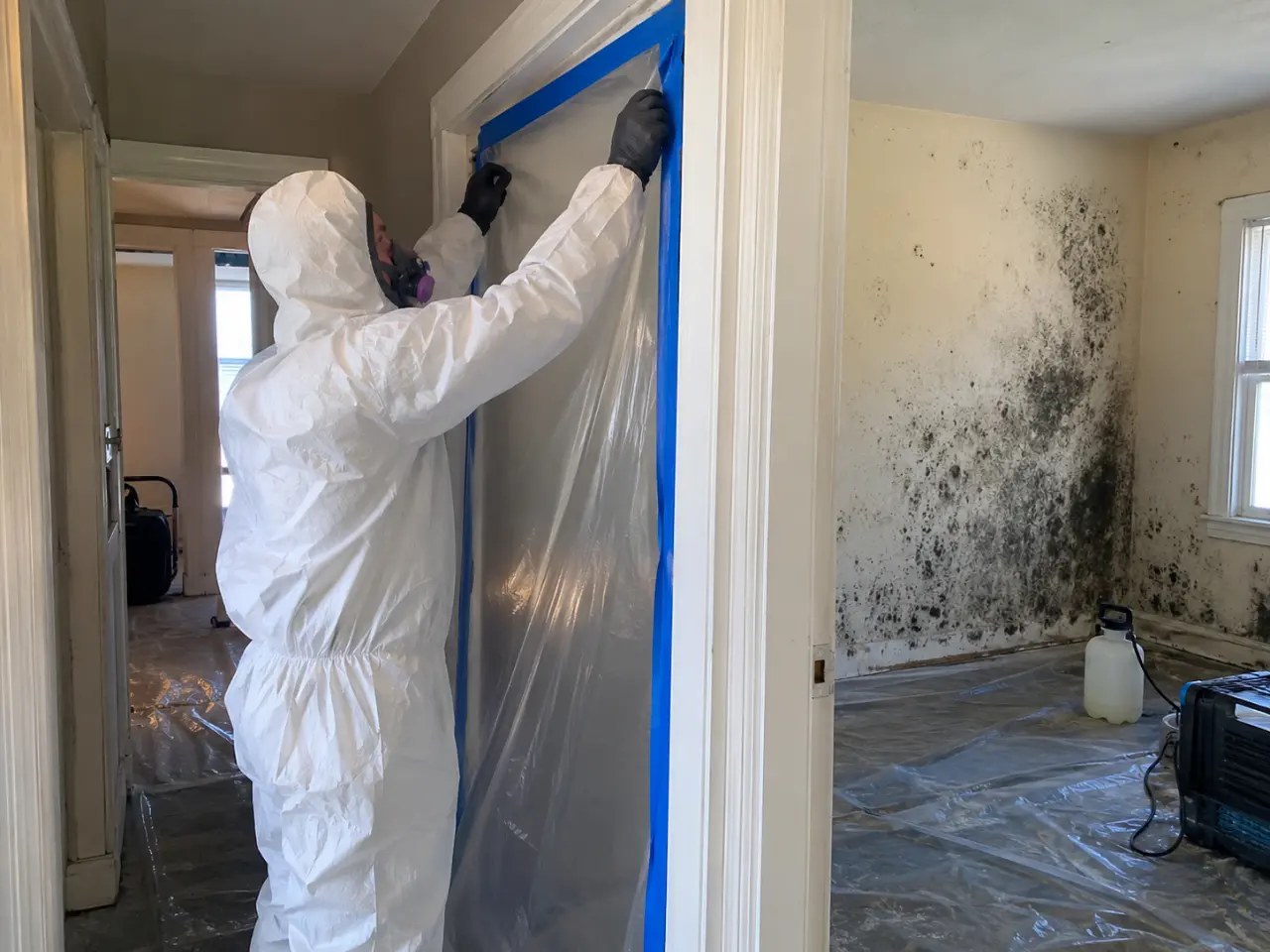
A practical standard for every visit.
Clear planningPrepared arrivalsCareful workLocal follow-through
Experience in the details
Inspection Knowledge Built Locally
Summerville Mold Shield has served local property owners for 8 years, since 2018. Our inspection work focuses on the building conditions that lead to mold: water entry, wet materials, humidity, and inadequate drying. We use established moisture-investigation practices and explain the limits of visual inspection and sampling plainly. Where remediation is needed, our recommendations align with the ANSI/IICRC S520 Mold Remediation Standard and EPA Mold Remediation guidance. We serve Summerville and Dorchester County, including homes, rental properties, and commercial buildings.
- Eight years serving Summerville properties, with attention to humid crawl spaces, storm water entry, and recurring indoor moisture.
- Moisture readings are interpreted alongside material condition and building history, not treated as a standalone mold diagnosis.
- Our work follows the principles of the ANSI/IICRC S520 Mold Remediation Standard when findings lead to remediation planning.
- We explain when inspection is sufficient and when laboratory testing can answer a specific property or occupant concern.
- Findings identify observed conditions and next steps without claiming that a visual inspection measures every hidden surface.
Where we work
One local team. A lot of ground covered.
NextonCane Bay PlantationSangareeWescott PlantationWhite GablesLegend Oaks PlantationLakes of SummervilleAshborough
Check my address A residential mold inspection in Summerville commonly costs about $250 to $650, depending on size and complexity. Typical 2026 pricing in this area rises with multiple affected rooms, difficult access, or added sampling; laboratory fees may be separate. We explain the price before work starts. Ask about a free mold inspection near me Summerville offer only if one is currently available; a no-cost visit is not the same as a full documented inspection.
Start with an inspection when you need to locate moisture, visible growth, or the likely cause; add testing when a specific unanswered question requires a sample. Air or surface results do not locate a leak or explain why materials are wet. We inspect first, then explain whether sampling is useful for your concern, such as an unresolved odor, a property transaction, or a request for laboratory documentation.
Most residential inspections take about 1.5 to 3 hours, while larger or complex properties may take 3 to 5 hours. Time depends on the number of rooms, attic or crawl space access, and how much moisture mapping is needed. If laboratory samples are collected, results commonly take several business days after the inspection. We review initial observations with you before leaving.
We look for visible growth, water stains, musty odors, elevated moisture, and building conditions that keep materials damp. In Summerville, that includes checking accessible crawl spaces, roof or flashing leaks, plumbing areas, window condensation, and HVAC condensate concerns. We note affected materials such as drywall, trim, and insulation, then explain what is observed and whether further testing or repair is warranted.
Keep exploring
Services That Follow an Inspection
Your next step is waiting
Book Mold Inspection Summerville SC
Get clear findings before a damp area becomes a larger repair. Call Summerville Mold Shield at (843) 892-8834 to arrange an inspection and discuss the moisture concern. We serve Summerville and Dorchester County.
Start with the basics
Contact Our Summerville Team
Call Summerville Mold Shield at (843) 892-8834 to discuss visible mold, a leak, or a damp crawl space. We take calls for urgent moisture problems and arrange service during our business hours, Monday through Friday, 8 a.m. to 6 p.m. Tell us what happened and which rooms are affected so we can help you plan the next step.