Mold Prevention & Moisture Control
Mold Prevention Summerville SC for Drier Homes
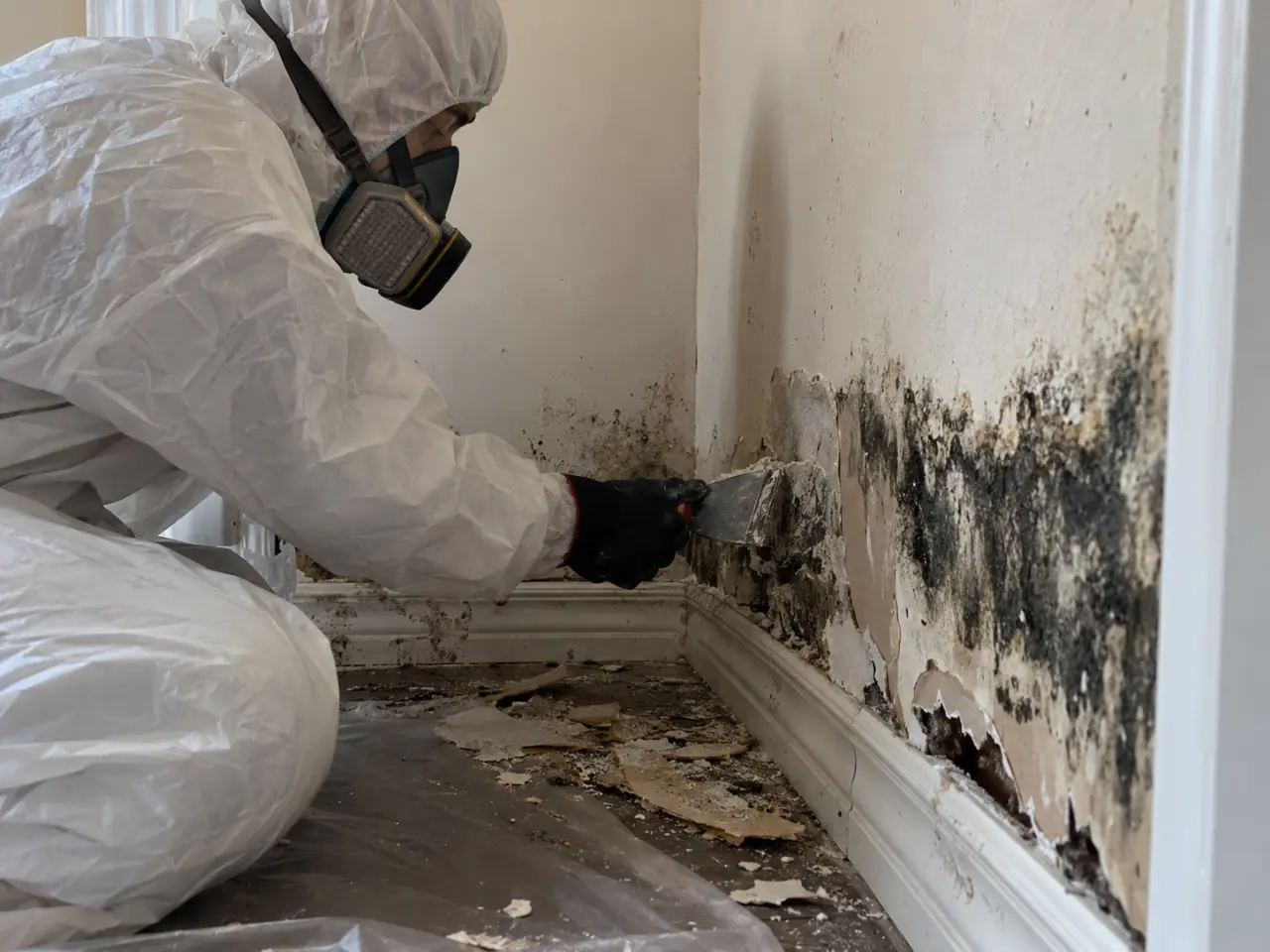
Mold Prevention Summerville SC helps homeowners and property managers stop persistent dampness before it turns into visible growth, damaged finishes, or musty rooms. Our team traces moisture at its source, then recommends practical fixes for crawl spaces, bathrooms, HVAC systems, and storm-affected areas. If humidity keeps returning or your home took on water, we identify what needs attention and build a prevention plan suited to your property in South Carolina.
Service overview
Mold Prevention Summerville SC, Explained
Mold Prevention Summerville SC is a moisture-management service that identifies and corrects conditions that allow mold to grow in homes and buildings. We inspect likely trouble spots, measure moisture in building materials, and check indoor humidity before recommending targeted work. That can mean improving drainage, correcting a plumbing leak, drying a damp cavity, or managing crawl space moisture. We focus on the source, not a surface cover-up. Where previous growth is present, we explain whether remediation or repairs should come before prevention measures.
Summerville's humid weather, heavy rain, and storm-season flooding can push moisture into crawl spaces, wall cavities, and ceiling assemblies. Older and newer homes alike can have condensation on windows and walls, HVAC condensate issues, or roof and flashing leaks that go unnoticed until odors appear. Our mold prevention services in Summerville, South Carolina start with the conditions in your property, not a one-size package. If you are wondering how to prevent mold in a Summerville home during hurricane season, begin with water entry points, drainage, and a plan to dry affected materials promptly.
Practical benefits
Practical Results for Your Property
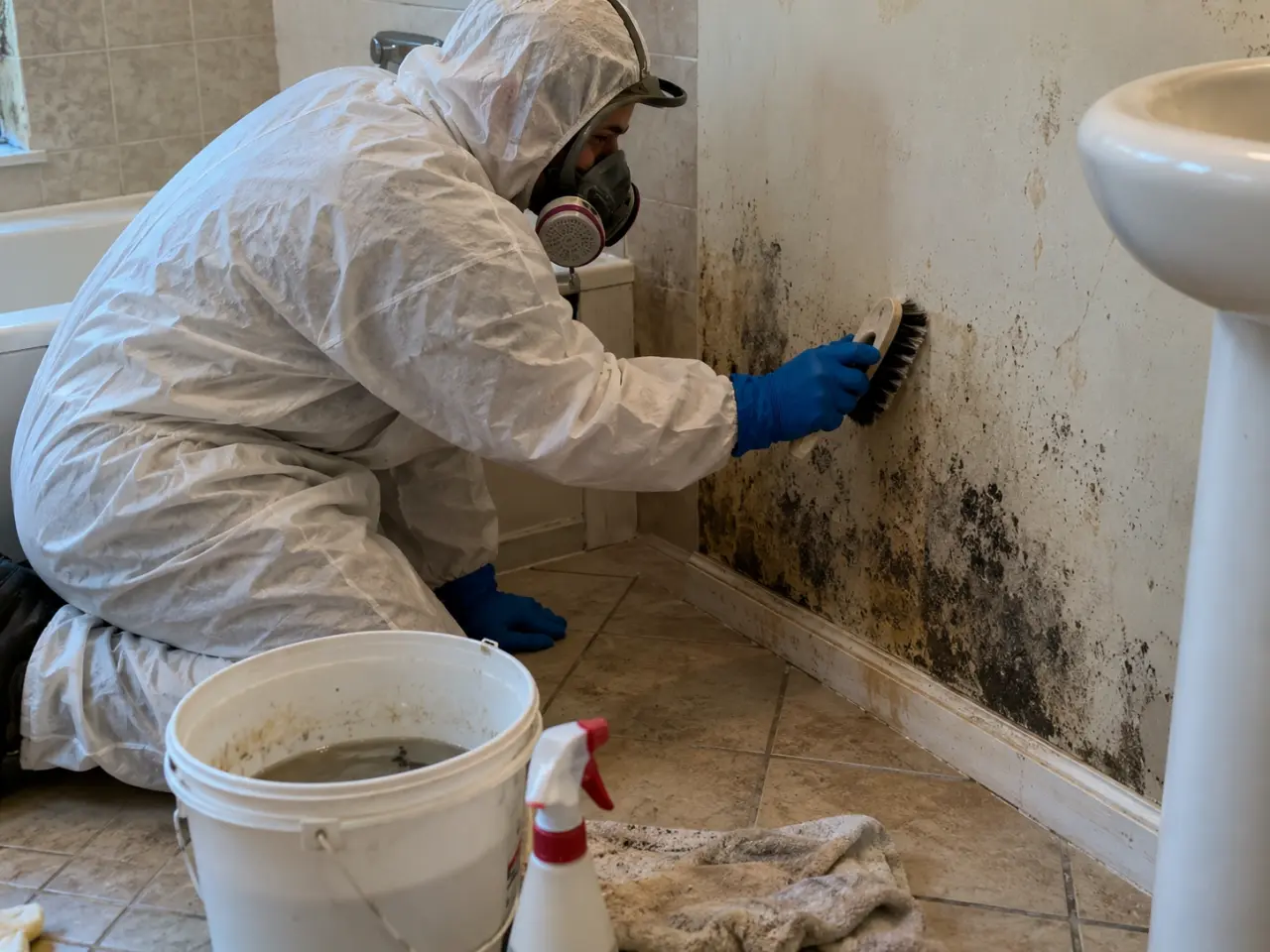
Mold prevention works best when you know where moisture enters, how long materials stay damp, and which repair will change that pattern. We give you a clear path from inspection to correction, with priorities based on what we find. The result is a home that is easier to monitor and less likely to develop recurring damp spots.
Catch Hidden Moisture
We check areas that are easy to miss, including behind stored items, below plumbing fixtures, and around HVAC equipment. A pin-type and pinless moisture meter helps us compare suspect materials with dry areas, while a thermal imaging camera can flag temperature patterns worth investigating. Finding a damp section early helps you address a small leak before it damages more drywall or wood.
Reduce Indoor Humidity
A hygrometer gives us a measurable starting point rather than a guess based on how the room feels. We look for sustained indoor readings above 60% and identify likely causes, such as weak ventilation or an oversized moisture load. Then we recommend ventilation, repairs, or properly sized dehumidification to help keep indoor conditions within a manageable range.
Protect Crawl Space Materials
Damp crawl spaces can affect floor framing, insulation, and indoor air conditions. We assess ground moisture, plumbing, and airflow before recommending a crawl space vapor barrier or additional controls. For customers comparing crawl space encapsulation Summerville SC options, our recommendations connect the material installation to drainage and humidity management rather than treating a barrier as a complete fix by itself.
Plan Repairs in Order
You get a sequence that puts water entry and wet materials ahead of cosmetic work. We explain which item needs repair first, what should dry, and when mold-resistant drywall or new insulation makes sense. That order prevents fresh finishes from hiding a continuing leak and helps you avoid paying twice for work that moisture could damage again.
How service works
What to Expect Step by Step
Mold Prevention & Moisture Control in Summerville starts with your concerns and ends with measurable next steps. Our team records the locations checked, explains what readings mean, and separates urgent water-source repairs from longer-term humidity improvements. A focused visit often takes 1 to 3 hours; larger properties or inaccessible areas take longer.
STEP 01
Review the History
We begin by asking where odors, staining, or condensation show up and whether the home has had leaks, storm water, or repeated HVAC problems. You can point out the rooms that change after rain or during humid weather. This first conversation takes about 10 to 15 minutes and helps us prioritize the inspection instead of spending time on unaffected spaces.
Tools and methods
Tools and Work Methods
Thermal imaging camera
We use thermal patterns to locate temperature differences that may point to hidden moisture or an area that needs closer inspection. The image guides follow-up measurements; it does not replace confirmation with a moisture meter.
Pin-type and pinless moisture meter
This meter checks moisture in accessible building materials with minimal or no surface marking, depending on the mode. We compare suspect areas with nearby dry material to understand whether the reading is unusual.
Hygrometer
A hygrometer records relative humidity in rooms or enclosed spaces. We use readings to identify conditions above 60% and to establish a baseline for follow-up after ventilation, leak repair, or dehumidification.
Commercial LGR dehumidifier
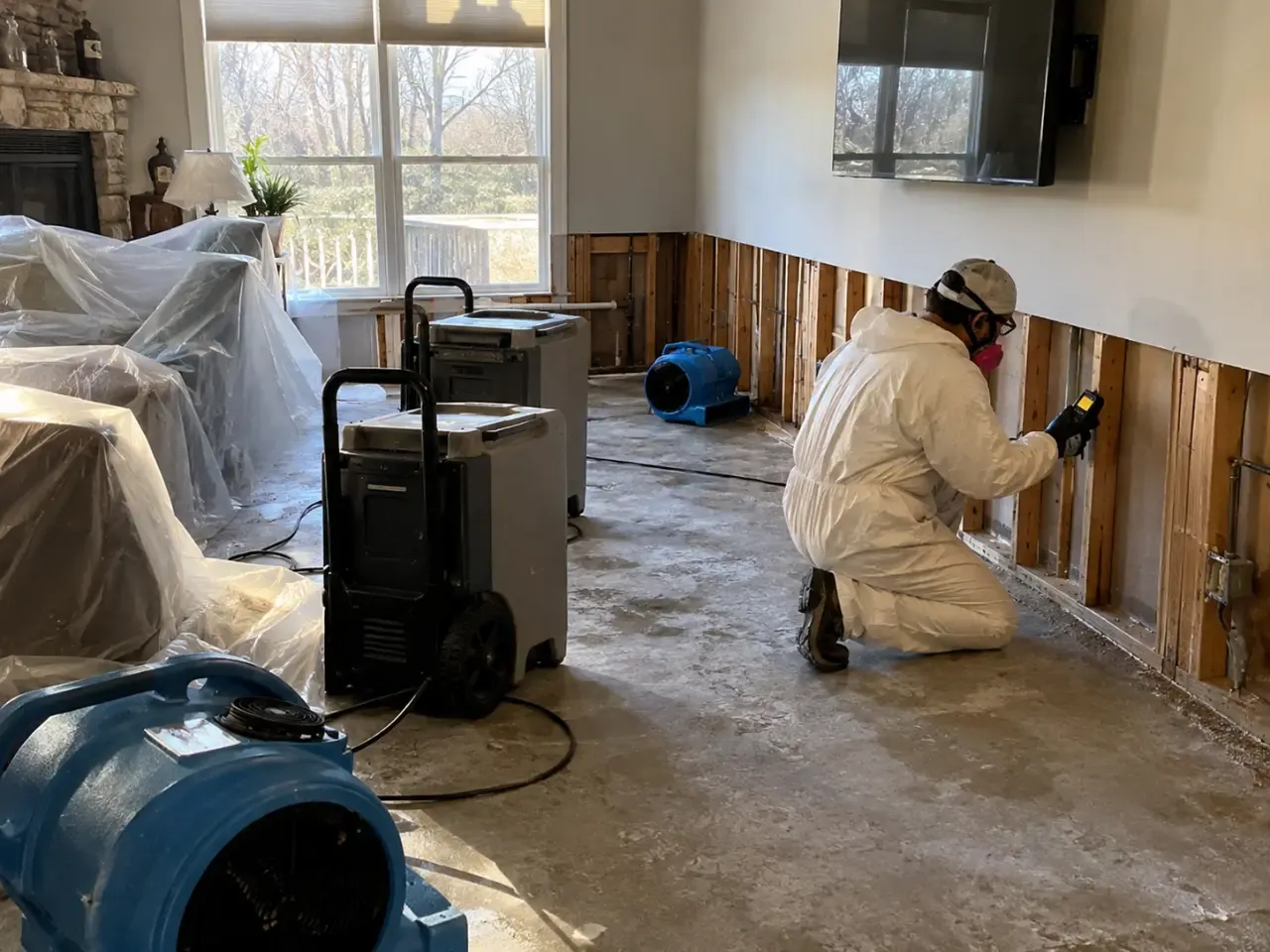
When wet materials require controlled drying, a commercial LGR dehumidifier removes moisture from the air and supports a managed drying setup. We track material readings rather than relying on equipment runtime alone.
HEPA air scrubber
During remediation or dusty repair work, a HEPA air scrubber helps manage airborne particles in a controlled work area. It supports containment and cleanup but does not correct the water source or replace drying.
Moisture mapping
We take readings across the affected area and compare them with surrounding materials to understand the pattern. The map helps distinguish a concentrated leak from wider humidity or condensation. After repairs or drying, repeat readings show whether the condition is improving and where more attention is needed.
Source-first correction
We prioritize water entry, plumbing leaks, drainage problems, and HVAC condensate before cosmetic repairs. Wet materials are assessed for drying or removal, and replacement finishes wait until the assembly is ready. This order reduces the chance of sealing moisture behind new drywall or trim.
Containment and HEPA control
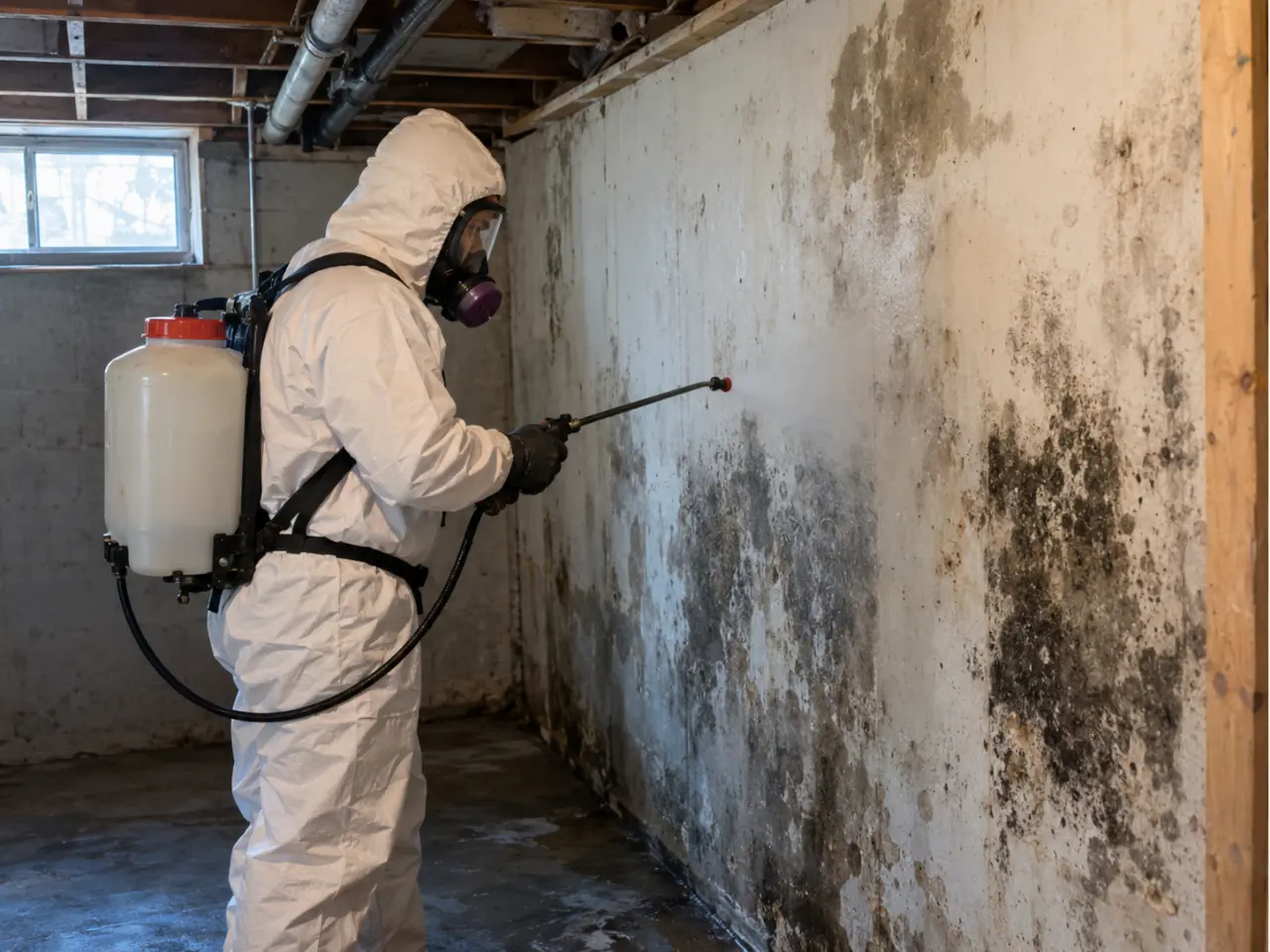
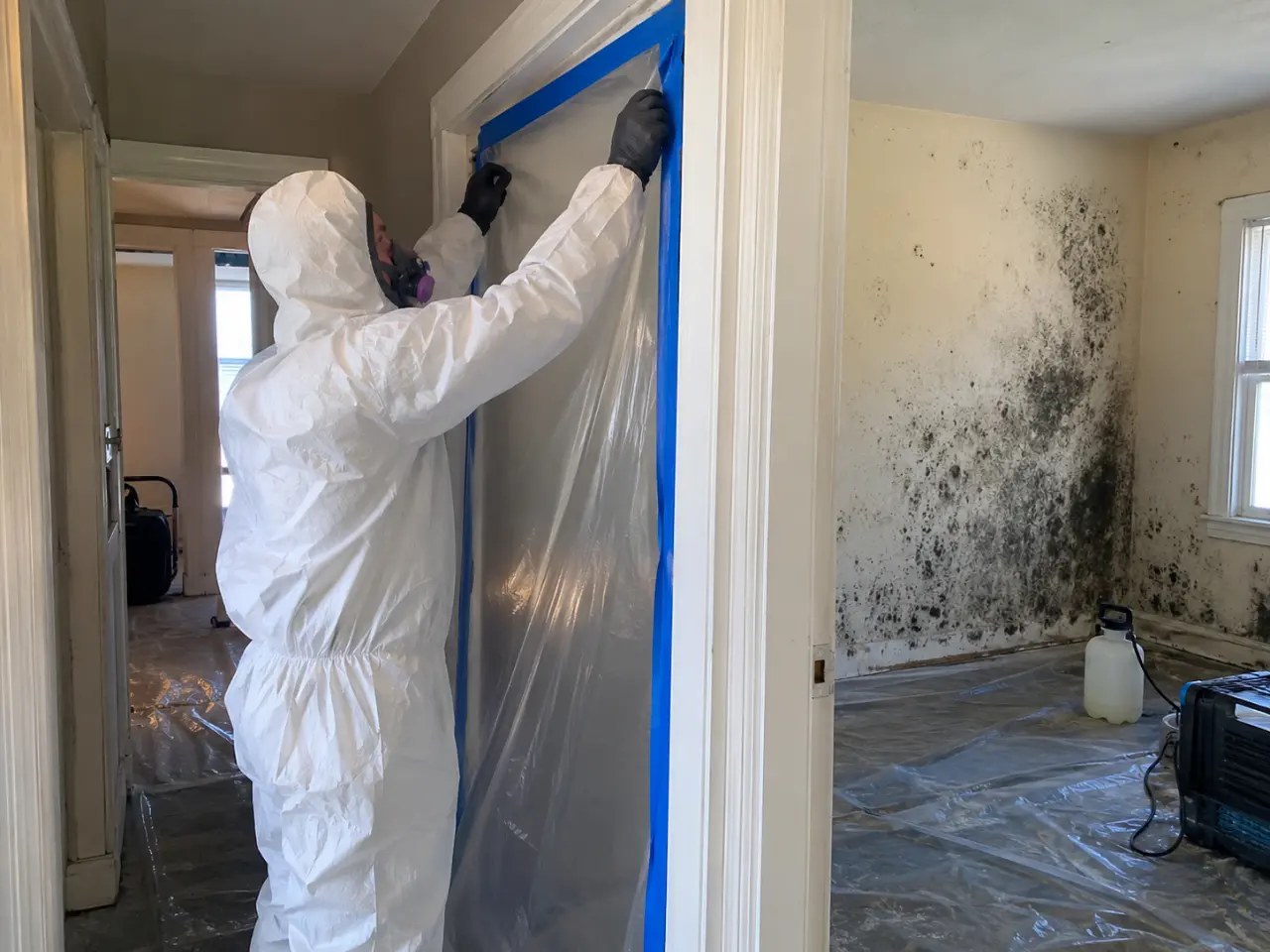
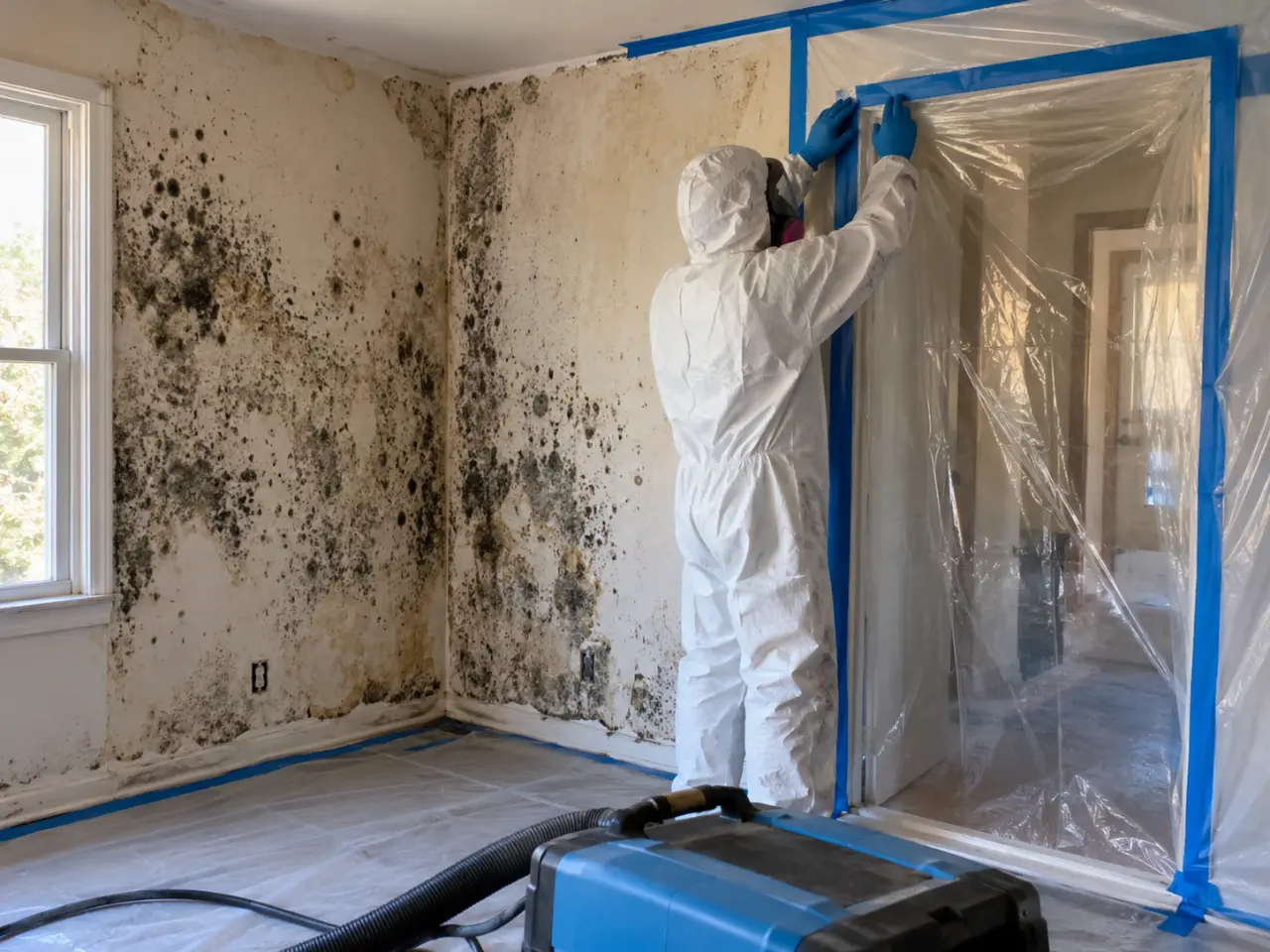
If active mold work is needed, we plan the work area to limit spread into unaffected rooms. Containment sheeting and zipper doors can separate the work zone, while HEPA filtration supports air control. We select the method based on the affected materials and work being performed.
IICRC-informed remediation
When prevention findings lead to remediation, we apply the ANSI/IICRC S520 Mold Remediation Standard alongside relevant EPA Mold Remediation guidance. The approach accounts for the affected materials, containment needs, and cleanup verification. Prevention work follows source correction so the same moisture condition does not keep feeding the problem.
Where this service fits
When to Schedule Prevention Work
You notice a musty smell in a Summerville home after several days of October rain.
We inspect the rooms where the odor is strongest, then check adjacent exterior walls, HVAC condensate areas, and accessible crawl space conditions. Moisture readings help determine whether the odor is tied to a damp material or a broader humidity issue. We identify the next practical step instead of masking the smell. You learn where the moisture is coming from, what needs attention first, and which locations to recheck after the next rainfall.
A storm or hurricane warning has you checking an older roof, crawl space, or low-lying entry.
Before weather arrives, we can inspect known leak paths, vulnerable materials, drainage concerns, and prior water-damage locations. After water intrusion, we assess wet materials quickly and outline drying and repair priorities. For active flooding, water removal and structural drying take precedence over routine prevention. You have a clearer list of vulnerable areas and a response sequence for wet materials, rather than waiting for a stain or odor to appear.
Your crawl space smells damp even though the living areas appear dry.
We inspect the ground covering, visible framing, plumbing, and signs of standing water or condensation. We take readings at multiple points and explain whether a vapor barrier, drainage correction, or humidity control is appropriate. If materials show active growth, we address that condition before discussing preventive measures. You understand whether the crawl space needs moisture correction, drying, or further evaluation, with clear locations to monitor.
A bathroom or laundry area stays humid and leaves condensation on nearby walls.
We check the room and adjoining materials, measure humidity, and look for leaks or ventilation problems that prolong damp conditions. Our recommendations focus on the moisture source and drying pattern. If drywall or trim is already damaged, we explain what should dry or be repaired before new finishes go in. You get a targeted plan to reduce repeated surface wetting and a measurable humidity range to use during follow-up checks.
Local execution
How Prevention Works in Summerville
Mold Prevention & Moisture Control in Summerville starts with the way local weather and the property interact. October brings the need to check storm-related entry and lingering dampness, while warm, humid months can keep crawl spaces and poorly ventilated rooms wet for longer. Heavy rain can expose weak roof flashing, push water toward foundations, or reveal drainage problems that were easy to miss during dry spells. In subdivisions with both newer construction and established homes, we do not assume the same assembly or drainage detail from one property to the next.
Our team checks the actual moisture path, from plumbing and HVAC condensate to exterior openings and crawl space conditions. For humidity control for Summerville homes, we measure indoor conditions and account for the room, equipment, and source before recommending dehumidification. If you are considering dehumidifier installation to prevent mold Summerville SC, we first determine whether a leak, drainage issue, or wet material also needs correction. Where work involves mold remediation, we follow applicable SCDHEC regulations and relevant worker-safety practices. We serve Dorchester County and nearby Summerville neighborhoods, with visits planned around the affected area and the access needed to inspect it.
Nexton
In newer homes, we still check HVAC condensate drainage, plumbing penetrations, and exterior transitions when a room develops a recurring odor or stain.
Cane Bay Plantation
After prolonged rain, we look for crawl space dampness and water movement near the home before recommending a vapor barrier or humidity equipment.
Sangaree
For established properties with repeat ceiling marks, we compare roof and plumbing possibilities and measure the affected assembly before repair.
Wescott Plantation
We assess bathroom humidity, window condensation, and accessible HVAC areas when dampness appears in rooms that otherwise seem dry.
Long humid periods keep crawl space air and indoor surfaces damp
Materials may stay damp longer when ventilation and moisture sources are not controlled. We measure conditions and assess the ground, framing, and nearby rooms before recommending a barrier or dehumidification.
Heavy rain reveals roof, flashing, and drainage weaknesses
Water can enter at roof edges or collect near the foundation, leaving stains or damp materials that appear after the storm has passed. We trace the entry and drying needs before repairs cover the evidence.
Storm flooding wets flooring and wall assemblies
Floodwater can affect carpet and padding, drywall, insulation, and framing. We prioritize water removal and controlled drying, then determine which materials need repair and what prevention measures reduce repeat exposure.
Problems we solve
Stop the Moisture Problems That Return
Recurring dampness usually has a repeatable cause: water enters at the same point, humidity stays elevated, or a wet cavity never fully dries. If you want to know how to prevent mold in a Summerville home during hurricane season, begin by addressing those patterns. We investigate the source and connect each repair to the condition it is meant to change.
Musty odors return after every stretch of heavy Summerville rain
We check vulnerable areas, including crawl spaces, exterior walls, and HVAC condensate locations, then compare moisture readings to dry sections. If the source is active, we explain the repair and drying sequence. That gives you a specific response to the recurring pattern instead of another round of fragrance or surface cleaning. Repeated odor often points to damp materials or trapped moisture, even when walls and floors look clean. Delayed investigation can let damage spread behind finishes.
Crawl space moisture keeps affecting floor framing and indoor comfort
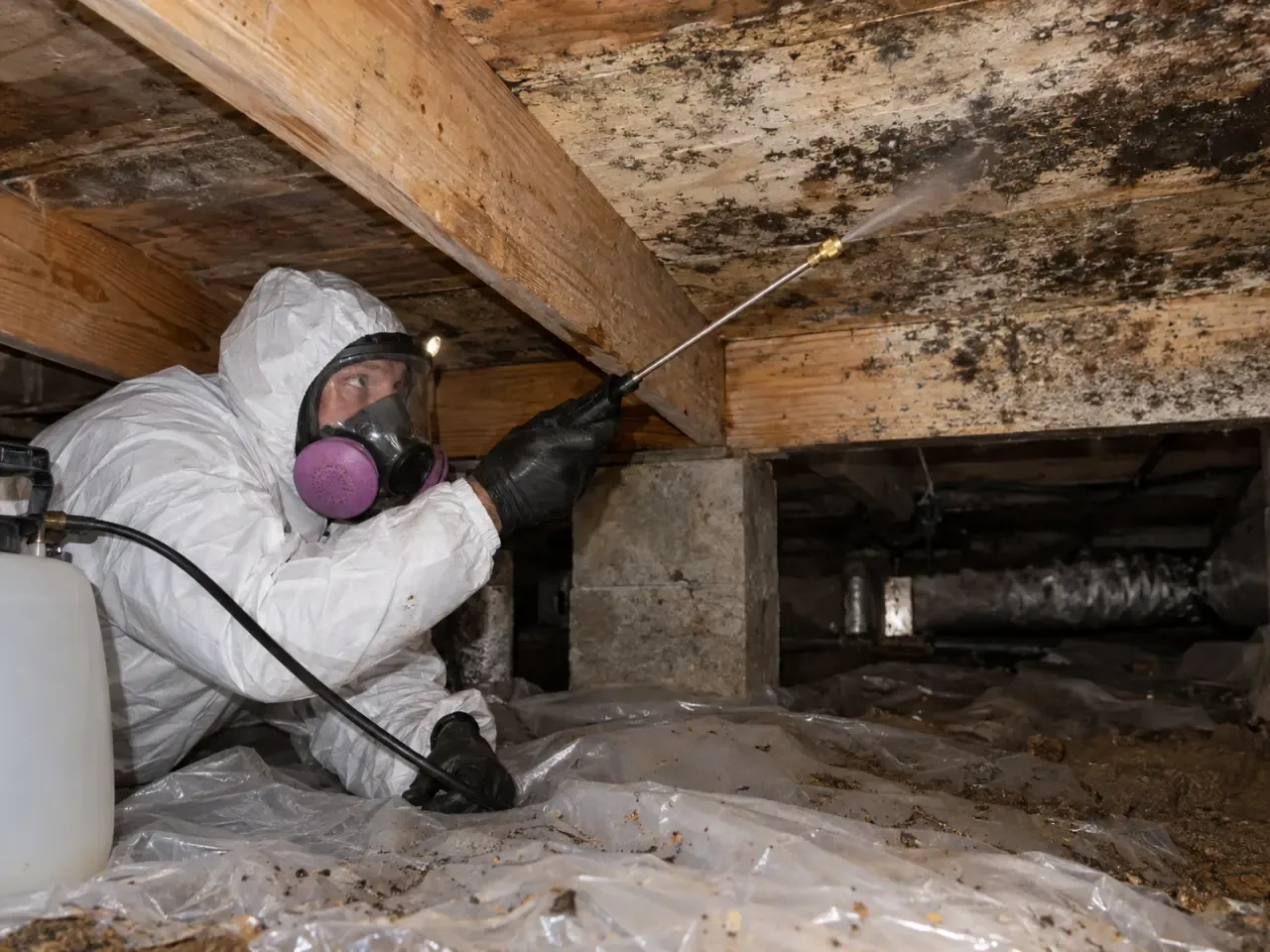
Our team inspects the vapor barrier, visible plumbing, drainage, and framing conditions. We determine whether a crawl space vapor barrier, water-flow correction, or dehumidification addresses the observed issue. If growth is already present, we explain remediation needs before recommending prevention measures, so the work follows a safe and practical order. Persistently damp ground and air can leave wood framing and insulation exposed to prolonged moisture. Humidity may also move into the rooms above.
Condensation keeps appearing on windows, walls, or cool surfaces
We measure indoor humidity and look for contributors such as ventilation limits, HVAC performance, or moisture-producing activities. Then we recommend a targeted change and give you a way to monitor results. If readings remain above 60%, we revisit the moisture load instead of assuming one appliance setting will solve it. Frequent condensation leaves surfaces wet and can damage paint, joint compound, or nearby trim if the source of excess humidity stays unchanged.
Storm water or a roof leak leaves drywall damp behind the finish
We inspect the affected assembly, trace likely roof or flashing entry, and measure moisture beyond the visible mark. Drying comes before repair; where access is limited, we explain the inspection needed to check the cavity. Once materials are dry and the source is corrected, reconstruction can proceed without hiding a continuing leak. Water-damaged drywall can remain wet after the visible stain fades. Concealed moisture can affect insulation, framing, and ceiling materials.
A practical standard for every visit.
Clear planningPrepared arrivalsCareful workLocal follow-through
Experience in the details
Field Experience and Training
Summerville Mold Shield has served local property owners for 8 years, since 2018, handling moisture conditions that range from a small plumbing leak to storm-related wet building materials. Our technicians use inspection findings to decide whether the next step is prevention, drying, remediation, or repair. Training aligned with IICRC WRT, IICRC AMRT, and IICRC ASD principles supports careful work around water-damaged materials. We follow the ANSI/IICRC S520 Mold Remediation Standard when remediation is part of the job, and we apply EPA Mold Remediation guidance to containment and cleanup decisions. You get explanations tied to the observed conditions.
- Eight years serving Summerville property owners, with practical experience tracing recurring humidity, leaks, and post-storm dampness.
- Moisture mapping distinguishes wet building materials from normal variation and helps direct repairs to the right areas.
- IICRC WRT training supports sound water-damage assessment and structural drying decisions.
- IICRC AMRT and ANSI/IICRC S520 knowledge guide containment and remediation when active growth needs attention.
- Our team explains readings, repair order, and follow-up checks in plain language before work moves forward.
Where we work
One local team. A lot of ground covered.
NextonCane Bay PlantationSangareeWescott PlantationWhite GablesLegend Oaks PlantationLakes of SummervilleAshborough
Check my address Control water entry, dry wet materials within 24 to 48 hours, and keep indoor relative humidity below 60%. We inspect plumbing, roof edges, HVAC condensate, bathrooms, and crawl spaces to identify the source before recommending a fix. After storms, check for damp flooring, new stains, or musty odors. If moisture keeps returning, a meter-based inspection can help locate a hidden leak or persistently wet building material.
Keep indoor relative humidity below 60%; a 30% to 50% range is a practical target for many occupied spaces. Use a hygrometer to check rooms that feel damp, especially bedrooms, bathrooms, and areas near exterior walls. A high reading calls for finding the moisture source as well as managing humidity. A dehumidifier helps with excess airborne moisture, but it will not repair a leak or dry a concealed wet cavity by itself.
Crawl space encapsulation reduces ground moisture when the barrier is installed correctly and paired with appropriate moisture management. It does not stop every source, such as plumbing leaks, exterior water entry, or humid air entering through gaps. We inspect the crawl space first, then determine whether a vapor barrier, drainage correction, or dehumidification is needed. A successful plan protects framing and insulation while keeping moisture readings under review.
Check accessible rooms and the crawl space within 24 to 48 hours after heavy rain, then recheck over the next week if anything was damp. Look for fresh stains, soft drywall, standing water, musty odors, or new condensation. If water entered the home, begin drying promptly and call us when materials remain wet or readings stay elevated. Do not wait for visible growth before investigating a repeated wet spot.
Keep exploring
Services That Support Prevention
Your next step is waiting
Book Mold Prevention in Summerville
Musty odors, damp crawl space materials, or water stains deserve a source check before they spread. Our trained team uses measured findings to guide the work. Call Summerville Mold Shield at (843) 892-8834 to arrange a moisture inspection and discuss the next step.
Start with the basics
Contact Our Summerville Team
Call Summerville Mold Shield at (843) 892-8834 to discuss visible mold, a leak, or a damp crawl space. We take calls for urgent moisture problems and arrange service during our business hours, Monday through Friday, 8 a.m. to 6 p.m. Tell us what happened and which rooms are affected so we can help you plan the next step.